These days, a surprising number of students are quietly leaning on artificial intelligence tools like ChatGPT to get ahead in their studies. They use AI to grab quick answers, tackle assignments, and bounce around new ideas much faster than old-school methods ever allowed.
This shift is changing how students work—often right under teachers’ noses, without anyone fully realizing how big the impact actually is.
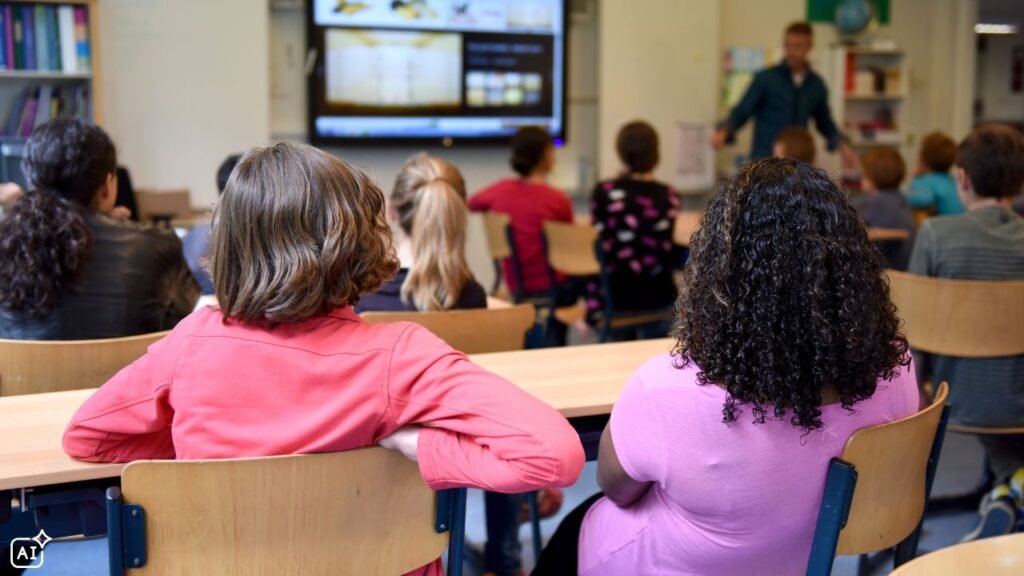
AI is just becoming part of the learning landscape, even if most people aren’t talking about it openly. You might spot classmates using it to draft essays or plan their projects, but it’s not always obvious.
Getting a handle on how students are using AI can reveal some interesting things about where education is headed—and maybe even change how you approach your own learning.
How Students Are Secretly Using AI to Get Ahead
Honestly, you’d be surprised at how many students are using AI to learn faster and work smarter. A lot of folks rely on these tools to help with writing, organizing their thoughts, or even customizing their study plans.
But this also brings up some tricky questions about what’s fair and what’s not when it comes to schoolwork.
Popular AI Tools Among Students
ChatGPT and Grammarly are everywhere these days. ChatGPT spits out ideas, drafts essays, and answers questions in seconds.
Grammarly, on the other hand, is like a safety net for grammar and style mistakes—super handy for polishing up assignments.
Plenty of college students also use AI-powered apps for research and summarizing dense material. These tools break down complicated topics, making it easier (and faster) to get the gist.
Some students use AI to draft outlines or double-check facts. It’s almost like having a quiet assistant that doesn’t ask for credit.
You’ll also find AI platforms that combine note-taking and task management, helping students juggle everything with a bit less chaos. They just sort of slip into daily routines, boosting productivity without much fuss.
Personalized Learning with AI Tutors

AI tutors are a game-changer for a lot of people. They actually adapt to your learning style and pace, which is pretty wild compared to the usual one-size-fits-all teaching.
These programs assign tasks based on what you know and where you’re struggling. Plus, they’re available 24/7, so you can study whenever the mood strikes (or panic sets in).
They’ll explain tough concepts in different ways or throw extra exercises your way if you need them. It’s like having a patient tutor who never gets tired.
The best part? You can use these AI tutors anonymously, so you don’t have to worry about feeling judged. That little bit of privacy actually helps some people stick with tough subjects longer.
Academic Integrity and Ethical Gray Areas
Let’s be honest—using AI in school is a bit of a minefield when it comes to honesty. If you let AI write your entire paper, you’re probably crossing a line.
But using AI to improve your skills or get feedback? That’s a different story, and a lot of people see it as fair game.
Professors are struggling to figure out how to grade work fairly when AI is in the mix. Most schools don’t have clear rules yet, so it’s confusing for everyone.
There’s also the risk that leaning too hard on AI could dull your critical thinking. Striking a balance—using AI as a tool, not a crutch—really matters if you want to actually learn something.
The Evolving Impact of AI on Student Learning
AI is changing the way you learn, for better or worse. It shapes how you think, how you focus, and even how you interact with technology in general.
The way you use social media—and the fact that attention spans seem to be shrinking—definitely plays into how AI tools fit into your education. Oddly enough, just understanding AI is now becoming a skill you’re expected to have.
Shaping Critical Thinking Skills

AI tools make it super easy to get info and break down tricky ideas. That can help you understand stuff and solve problems on your own, which is obviously a good thing.
But if you just accept whatever AI spits out without thinking it through, your critical thinking might take a hit. It’s a weird trade-off, honestly.
The best professors push students to use AI thoughtfully—digging into how and why answers are formed, not just copying and pasting. That’s where the real learning happens, if you ask me.
The Role of Social Media and Attention Spans
TikTok, Instagram, YouTube—they’re all about quick, flashy content. It’s fun, but it can make focusing on long assignments feel like a chore.
AI tools can either make this worse by encouraging shortcuts, or help by breaking things down into bite-sized pieces that actually fit your brain’s current pace.
If you use AI to create short study notes or summaries, you might find it easier to keep up. Still, it’s way too easy to slip into mindless scrolling, so you’ve got to be intentional about using these tools for learning, not just for killing time.
So, what’s the takeaway here? AI is quietly transforming education, whether we’re ready for it or not. The tech isn’t going anywhere, so maybe the real challenge is figuring out how to use it without losing sight of what it means to actually learn. It’s messy, a little bit exciting, and—let’s be honest—probably just the beginning.
The Rise of AI Literacy in Education
AI literacy is quickly becoming a must-have skill for the future. It’s not just about using AI—you’ll want to know how it actually works, too.
Schools are starting to roll out lessons that cover both the technical side and the ethical side of AI. That means you’ll get a handle on what AI can do, but also what it probably shouldn’t do.
Understanding these basics helps you spot things like bias or privacy risks before they become a problem. It’s a little unsettling how easy it is to overlook those issues, honestly.
Learning AI isn’t just for tech jobs, either. It opens doors in all sorts of fields and gives you the confidence to try new things.
When you’re comfortable using AI tools, you’ll find it easier to tackle schoolwork—and maybe even future careers. It’s empowering, in a way that’s hard to deny.
All in all, getting familiar with AI now feels like a smart move. The world’s changing fast, and a bit of AI know-how might just give you the edge you need.