Some people have a “green thumb.” Others have a “brown thumb” that can turn a healthy plant into a crispy decoration in under two weeks.
The problem usually isn’t effort — it’s consistency. Plants want boring routines: steady light, predictable watering, and not being drowned in a panic at 11 PM.
That’s where smart garden gadgets shine. The best ones don’t require a biology degree or daily checking. They handle the repetitive tasks in the background so plants get what they need even when life gets chaotic.
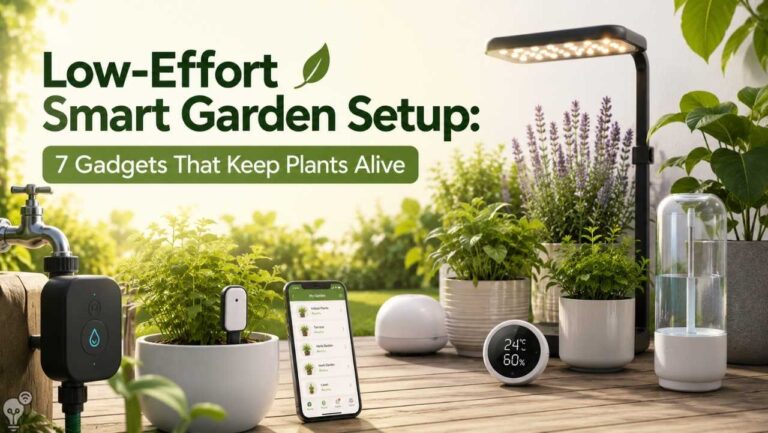
Below are 12 smart (and semi-smart) garden gadgets that make plant care dramatically easier — for balconies, small yards, and indoor plant corners.
1) Smart watering timer (automatic watering without guesswork)
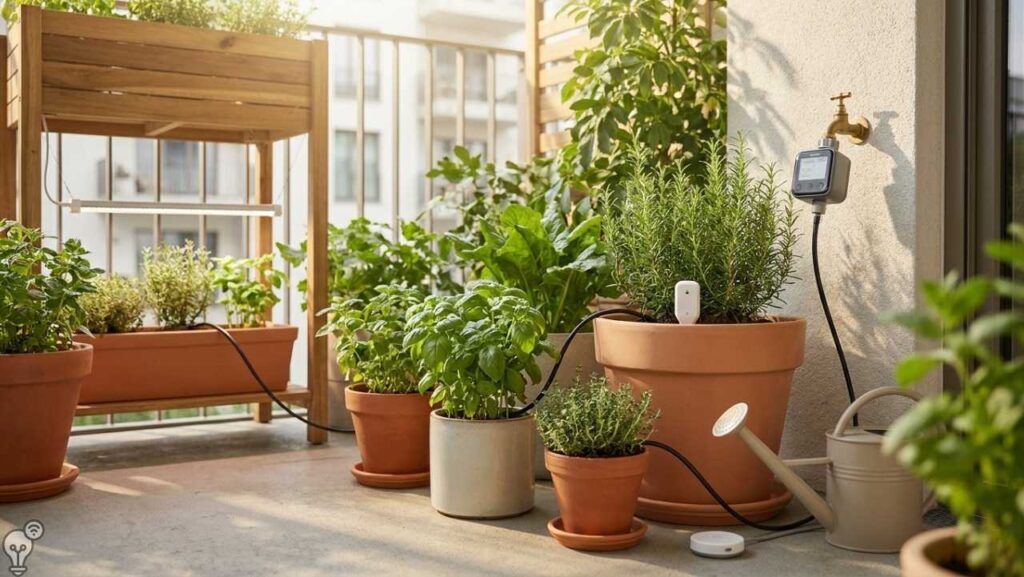
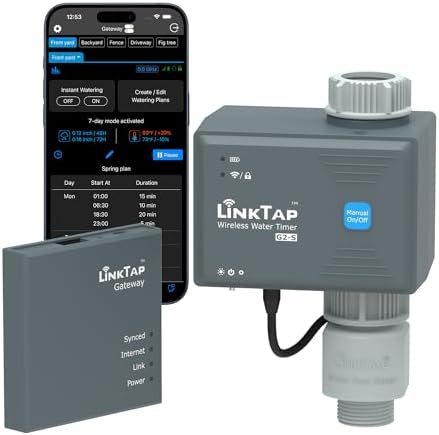
A smart watering timer connects to an outdoor tap and controls when water flows to your hose, sprinkler, or drip line.
Why it helps:
- Prevents missed watering days
- Stops “panic watering” that floods pots
- Perfect for weekend trips and hot summers
Best for: balconies with multiple pots, raised beds, small gardens


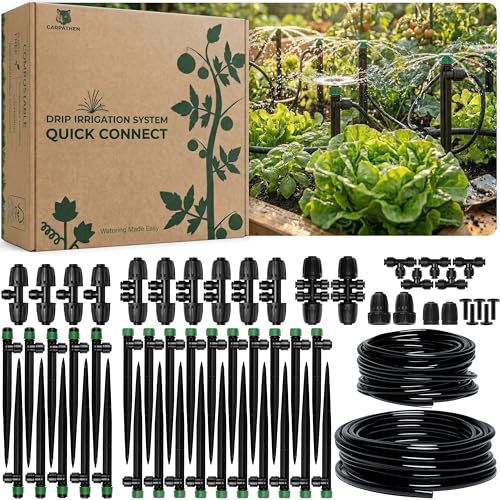
2) Drip irrigation kit (slow, steady watering that plants love)
Drip irrigation sounds complicated, but modern kits are surprisingly plug-and-play. Thin tubing delivers water slowly right to the soil.
Why it helps:
- More efficient than hand watering
- More consistent than “whenever remembered”
- Helps reduce fungus issues caused by wet leaves
Pro tip: Start with 4–6 key pots, then expand.


3) Self-watering planters (a built-in water reservoir)
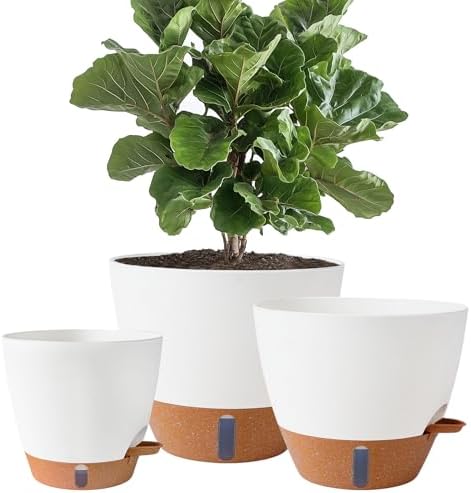
Self-watering planters add a safety buffer. The plant sips from a reservoir instead of relying on daily watering.
Why it helps:
- Forgives busy weeks
- Helps herbs stay usable instead of wilting by lunchtime
Look for: a water level indicator and a reservoir that lasts several days.


4) Moisture sensor (to avoid overwatering and underwatering)
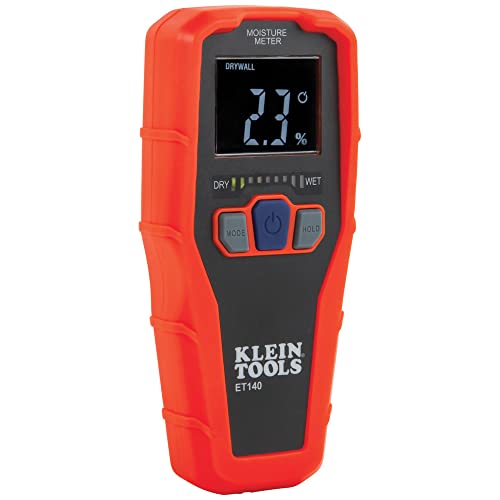
Moisture sensors answer the most dangerous plant-care question: “Is it actually dry… or does it just look dry?”
Why it helps:
- Reduces guesswork
- Great for large pots where the top dries faster than the bottom
Reality check: Sensors are guides, not judges. Drainage still matters.


5) Smart plant monitor (moisture + light + temperature in one)
If a simple moisture sensor is helpful, a smart plant monitor is the “data dashboard” version.
Why it helps:
- Highlights the real problem (often light, not water)
- Useful for beginners learning plant patterns
Best for: indoor plant corners and finicky plants


6) Grow light with timer (because indoor sunlight is unreliable)
Indoor light can be beautiful and still be totally insufficient for plants. A grow light solves that.
Why it helps:
- Helps herbs and houseplants thrive in darker rooms
- Prevents leggy, weak growth
Easy mode: choose a grow light with a built-in timer.


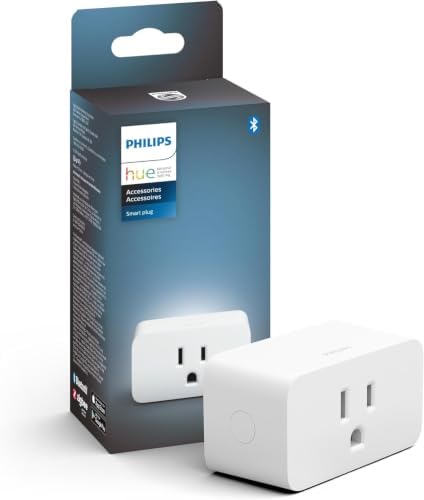
7) Smart plug (the simplest automation tool)
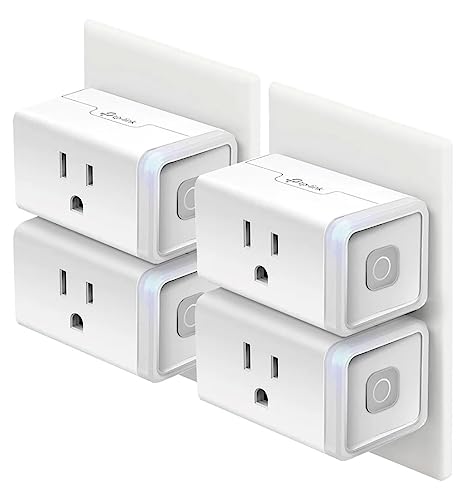
Smart plugs aren’t just for lamps. They automate routines — especially grow lights.
Why it helps:
- Creates a consistent schedule
- Allows one-tap control (or voice control) later
Simple starter schedule: grow light ON at 8:00, OFF at 20:00.

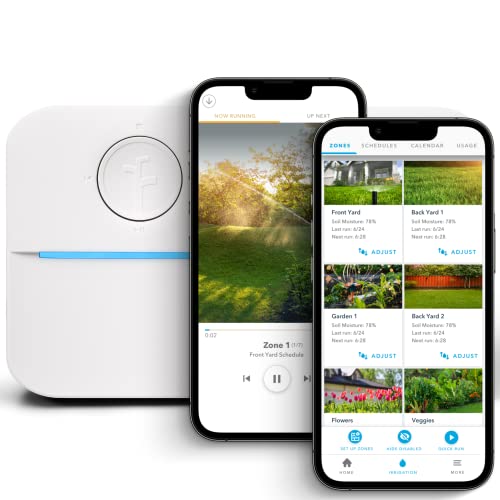
8) Weather-based irrigation controller (watering that adapts to rain/heat)
For bigger gardens, an irrigation controller can adjust schedules based on weather conditions.
Why it helps:
- Avoids watering right before/after rain
- Adjusts watering during heat waves
Best for: lawns, larger yards, or multi-zone garden setups


9) Smart hose nozzle (better hand-watering, less mess)
Not everyone wants full automation. A smart hose nozzle can improve manual watering with better control and sometimes usage tracking.
Why it helps:
- Easier to water gently
- Less splashing, less wasted water
Best for: patios, balconies, small gardens


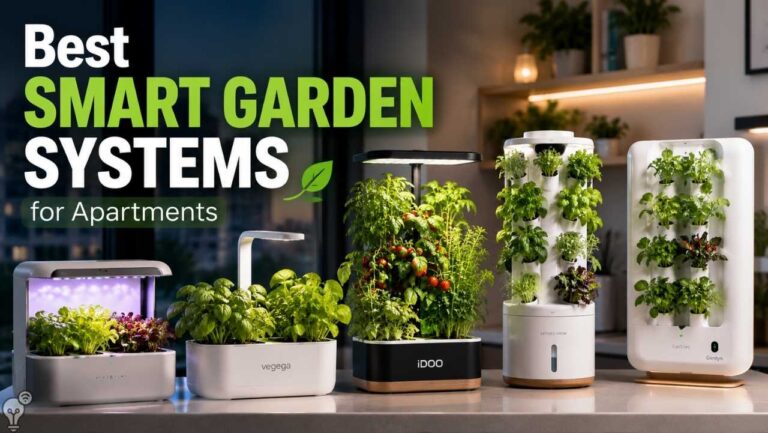
10) Indoor hydroponic garden (countertop herbs that grow fast)
Indoor hydroponic systems grow herbs and greens with water + nutrients + built-in lights. Very “set it and mostly forget it.”
Why it helps:
- Fast growth with minimal effort
- Great for year-round herbs
Best for: kitchens, apartments, anyone who forgets outdoor watering


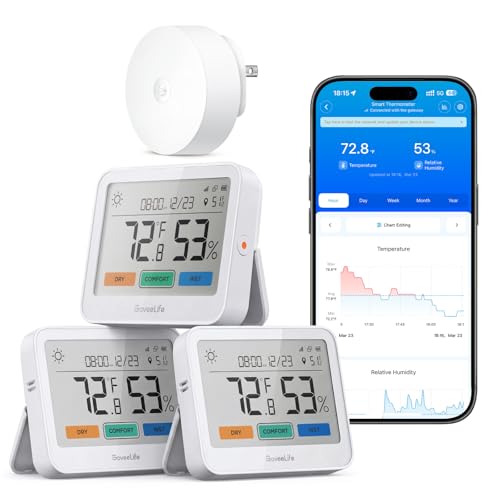
11) Smart greenhouse sensor (the tiny gadget that prevents plant drama)
If a small greenhouse is involved (even a balcony one), sensors that track temperature/humidity can save plants during hot or cold swings.
Why it helps:
- Prevents overheating surprises
- Helps manage humidity for seedlings
Best for: seed starting, greenhouse cabinets, balcony greenhouses


12) Leak sensor (because automation shouldn’t ruin floors)
If any irrigation tubing, pumps, or indoor watering station is involved, a leak sensor is cheap insurance.
Why it helps:
- Alerts you early
- Makes automated setups less scary
Best for: indoor plant areas, balcony setups near doors, hydroponic systems


The easiest “practically grows plants for you” combo
If decision fatigue is already happening, this is a simple starter stack:
For balconies / outdoor pots
- Smart watering timer
- Drip irrigation kit
- Self-watering planters (for the thirstiest plants)
For indoor plant corners
- Grow light + timer (or smart plug)
- Moisture sensor
- Self-watering planters
This combo covers the biggest failure points: watering consistency + light consistency.
Common mistakes (so gadgets help instead of creating chaos)
- Automating everything at once: start with one zone first
- Ignoring drainage: no gadget can save a pot with no drainage holes
- Not adjusting seasons: winter and summer watering needs are very different
Final thoughts
Plants don’t need perfect owners. They need predictable routines.
Smart garden gadgets are basically a shortcut to consistency — the thing plants love most and humans forget most.
Pick one upgrade, get it working, then add another. Before long, the plants will look like someone responsible lives there.
(And yes, that’s a compliment.)