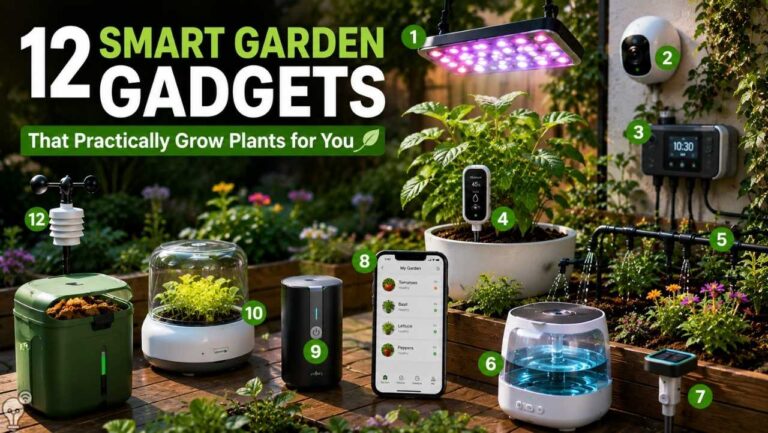
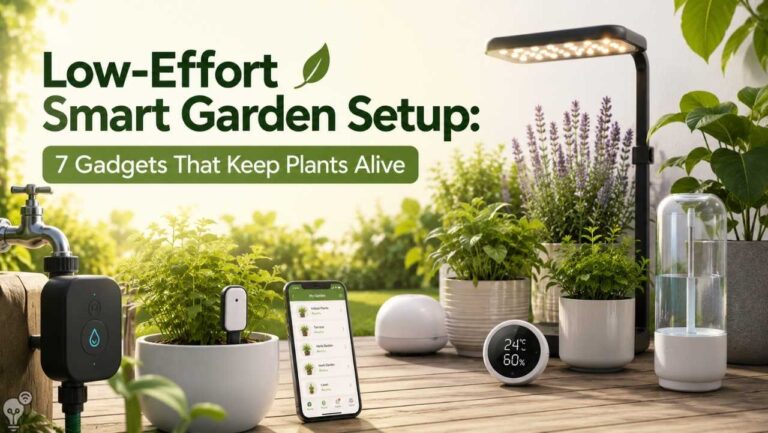
Apartment gardening is a little different from “normal” gardening.
There’s no backyard to hide the mess. There’s limited sunlight. There’s limited space. And there’s usually one tiny balcony corner where plants are expected to thrive… next to a chair, a laundry rack, and a mysterious box that has been “temporary” since 2022.
A smart garden system can make apartment plant life much easier because it solves the three biggest problems:
- Light (windows are not always enough)
- Watering consistency (plants do not respect busy weeks)
- Space efficiency (everything needs to earn its footprint)
This guide breaks down the best types of smart garden systems for apartments, who they’re for, what to look for, and how to pick the right setup without turning your home into a science lab.
What counts as a “smart garden system” in an apartment?
In apartment life, a smart garden system usually means one of these:
- Countertop hydroponic gardens (all-in-one units with lights + pump)
- Self-watering planter systems (reservoir-based, low-tech smart)
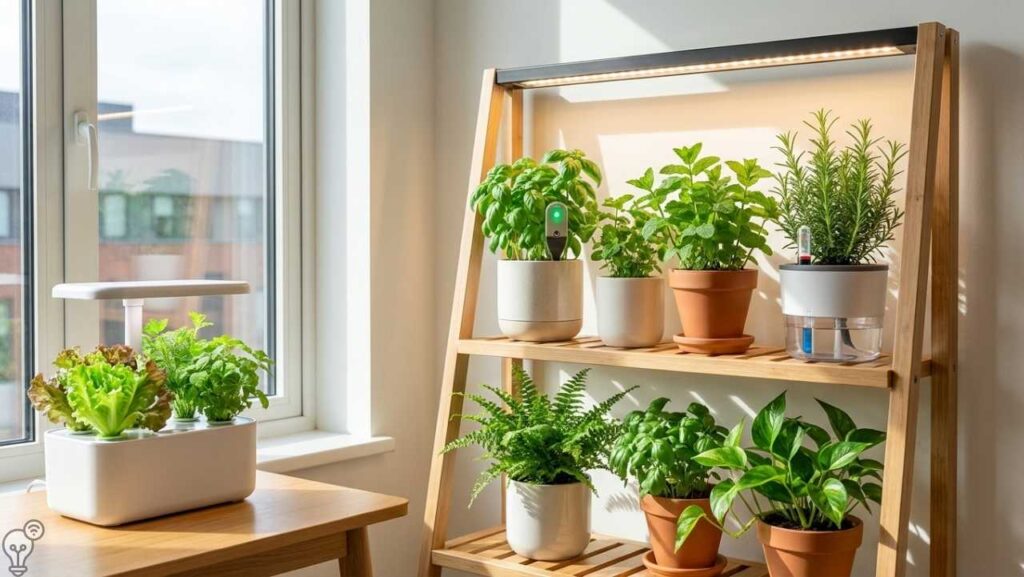
- Grow light shelves / plant stands (structured lighting + vertical space)
- Smart irrigation for balconies (timer + drip line for multiple pots)
- Plant monitoring systems (sensors + app reminders)
The “best” option depends on what you’re growing (herbs vs leafy greens vs houseplants), your space, and how hands-on you want to be.
Best smart garden systems for apartments
1) Countertop hydroponic garden systems (best for herbs and fast results)
These are the all-in-one units often used for basil, mint, lettuce, and small greens. They typically include:
- Water reservoir
- Pump (circulates water)
- Grow light
- Plant pod slots


Why they work so well in apartments
- No soil mess (your vacuum will thank you)
- Built-in light (works even with weak windows)
- Faster growth than traditional pots for herbs/greens
- Small footprint and tidy design
Best for
- Kitchen counters
- People who want fresh herbs without “plant learning curve”
- Anyone who wants a system that’s mostly plug-and-play
What to look for
- Light height adjustability (plants grow, the light should move)
- Easy refilling (you’ll refill more often than you think)
- Quiet pump (especially for small apartments)
- Pod availability (some systems lock you into their pods)
Heads-up
Hydroponic systems still need basic maintenance: topping up water, occasional cleaning, and adding nutrients. It’s not zero effort — it’s low effort with structure.
2) Self-watering planter systems (best for houseplants and “forgetful watering”)
Self-watering planters are the apartment garden cheat code because they build in a buffer. Instead of needing constant watering, plants sip from a reservoir.


Why they’re great in small spaces
- Less daily attention
- More consistent moisture (especially helpful for thirsty plants)
- No cables, no apps, no “firmware update required to water a fern”
Best for
- Houseplants (pothos, peace lily, philodendron, etc.)
- Herbs in sunny windows
- People who want smart outcomes without smart complexity
What to look for
- Water level indicator (helps avoid both neglect and overfilling)
- A reservoir that lasts several days
- Good drainage/airflow design (some designs stay too wet)
Apartment tip
Use self-watering planters for the “high-risk” plants:
- the ones that always droop first
- the ones that you love but forget
Not every plant needs this — just the dramatic ones.
3) Grow light shelves / vertical plant stands (best for space + light together)
If the apartment gets limited sunlight, a grow light shelf system can be a huge upgrade. Think of it as a small “plant station” that creates its own good conditions.


Why it works
- Turns a dim corner into a plant-friendly zone
- Uses vertical space instead of fighting for windows
- Looks organized (instead of “random pots everywhere”)
Best for
- Apartment plant collectors
- People with north-facing windows
- Anyone trying to keep herbs alive in winter
What to look for
- Full-spectrum LED grow lights
- Timer function (built-in or via a smart plug)
- Enough shelf spacing for taller plants
- Stable frame (wobbly stands + water = bad combo)
Easy setup option
Pair grow lights with a simple schedule:
- ON in the morning, OFF in the evening
Plants love routine. Humans love not thinking about it.
4) Smart balcony irrigation systems (best for multiple outdoor pots)
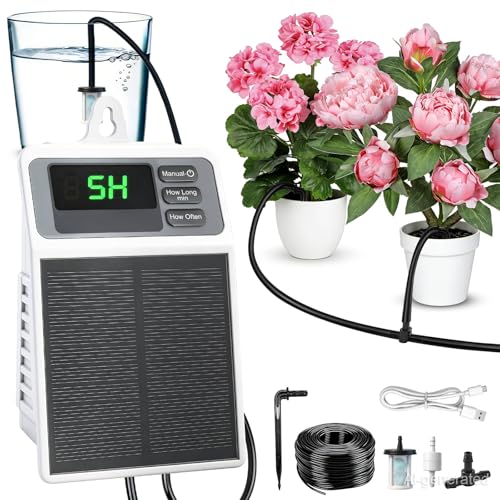
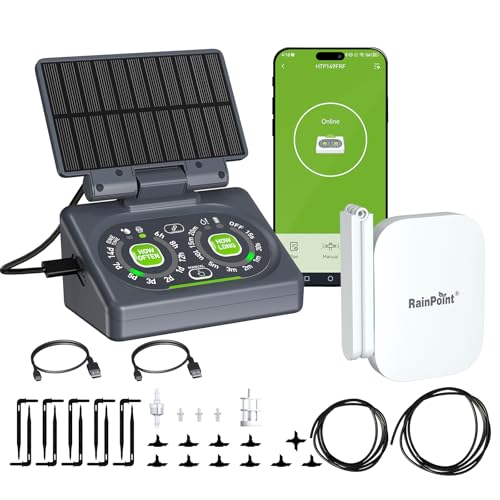
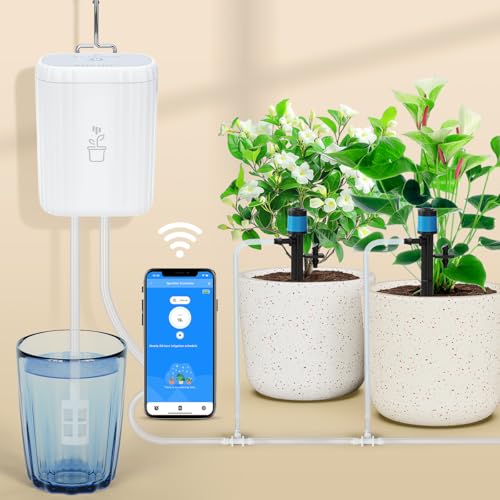
If there’s a balcony with many pots, hand watering can become a daily chore — especially in summer. A smart balcony irrigation system usually means:
- Smart watering timer (controls water flow)
- Drip irrigation tubing (delivers water to each pot)
Why it’s perfect for apartment balconies
- Automates watering across many containers
- Helps prevent the “everything is crispy after a weekend away” problem
- Saves water compared to overpouring with a watering can
Best for
- Balconies with multiple planters
- People who travel or spend weekends away
- Hot climates where containers dry out fast
What to look for
- A timer that supports multiple schedules
- Adjustable drippers (different plants need different amounts)
- A setup that can connect to your water source (tap/faucet)
Balcony reality check
Not every balcony has a faucet. If there’s no outdoor tap, a small reservoir + pump setup can work, but it adds complexity.
If the goal is low effort, choose the simplest water source you can.
5) Smart plant monitoring systems (best for beginners who want guidance)
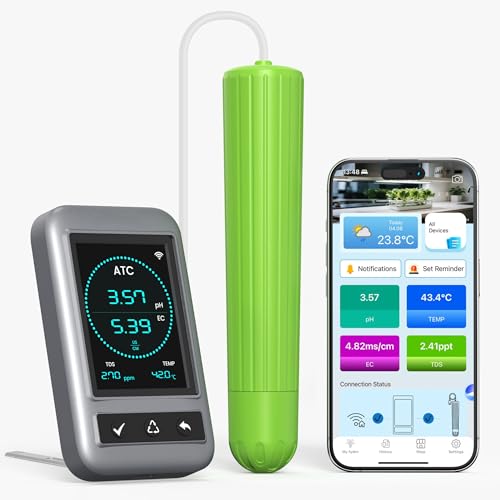
These setups use sensors to track things like:
- Soil moisture
- Light levels
- Temperature
They typically send app reminders like “needs water” or “needs more light.”

Why they’re useful in apartments
Apartment conditions change quickly:
- a new curtain blocks light
- winter sun disappears
- indoor heating dries the air
Sensors can highlight what’s actually happening so plant care becomes less guesswork.
Best for
- Beginners who are learning plant patterns
- Tricky pots (large/deep pots where top soil dries fast)
- People who tend to overwater “just in case”
What to look for
- Simple app experience (otherwise it won’t get used)
- Good reviews for consistency
- A sensor that matches your plant type (indoor vs outdoor)
Keep expectations realistic
Sensors are helpful — but they’re not perfect.
Good drainage, correct pot size, and adequate light still matter.
How to choose the best smart garden system (quick decision guide)
If the goal is fresh herbs with the least effort
Choose: countertop hydroponic system
If the goal is keeping houseplants alive with less watering stress
Choose: self-watering planters + optional moisture sensor for learning
If the goal is “many plants, not enough light”
Choose: grow light shelf system (with a timer)
If the goal is “balcony pots keep drying out”
Choose: watering timer + drip irrigation
If the goal is “plant care feels confusing”
Choose: monitoring sensors + one simple upgrade (grow light or self-watering)
A simple apartment setup that works for most people
If a clean, low-effort setup is the goal, this combo is a great starting point:
- Grow light (or grow light shelf) on a timer
- Self-watering planters for the thirstiest plants
- Optional: one moisture sensor for a “problem plant”
It keeps the system tidy, reduces daily watering, and makes light consistent — which is the silent reason many apartment plants struggle.
Final thoughts
The best smart garden system for apartments isn’t the fanciest or most app-filled. It’s the one that fits your space and removes the biggest friction point — usually watering consistency or light.
Start with one upgrade that solves your main problem. Once that’s stable, add a second.
Plants don’t need perfect care. They need predictable care.
And if a smart garden system helps deliver that while you live your actual life? That’s a win for everyone involved — especially the basil.