Let’s be honest: most “productivity setups” you see online are really just an excuse to buy a nicer desk. A minimalist monitor stand, a candle that smells like “focus,” and suddenly everyone’s convinced they’re about to become a different person. Spoiler: you’re still going to check your phone eleven times before lunch.
But here’s the thing — a smart home office setup isn’t about aesthetics or turning your desk into a museum exhibit. It’s about removing the tiny daily frictions that quietly drain your energy: the wrong lighting giving you a headache by 2pm, a room that’s either an oven or an igloo, or spending twenty minutes hunting for a cable because your “cable management system” is one long extension cord and hope.
Done right, a smart home office doesn’t just look good — it actually helps you focus, work faster, and stop fighting your own environment all day. Let’s break down what actually makes a difference.
1. Start With Lighting (Your Eyes Will Thank You)
Bad lighting is the silent productivity killer nobody talks about. Too dim, and you’re squinting like you’re trying to read a menu in a candlelit restaurant. Too harsh, and your eyes feel fried by mid-afternoon.
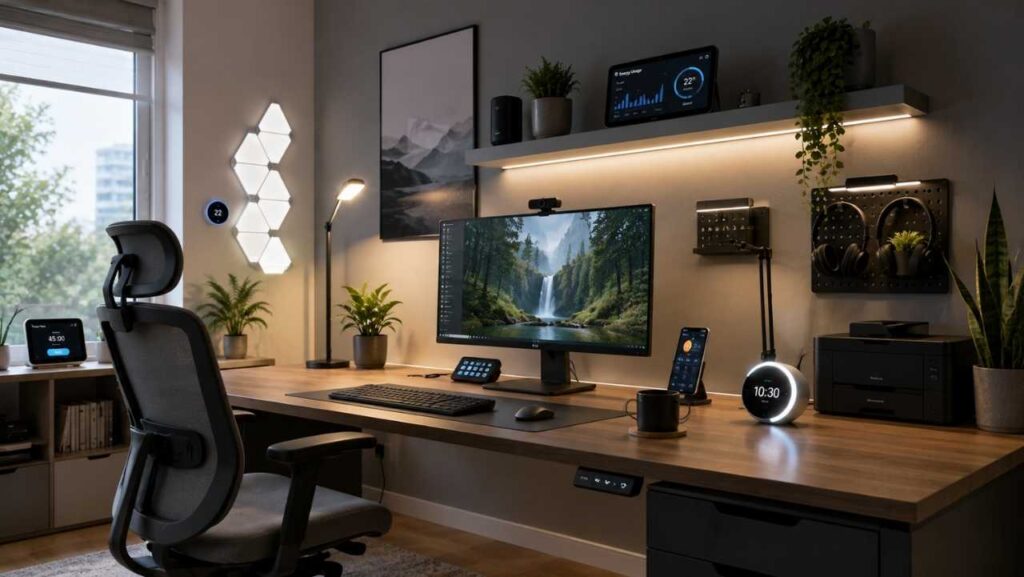
Smart lighting fixes this by adjusting brightness and color temperature throughout the day — cooler, brighter light in the morning to help you feel alert, and warmer tones later on so your brain doesn’t think it’s still noon at 7pm. Some setups even sync lighting with your calendar, dimming slightly during video calls so you’re not squinting into a spotlight like you’re being interrogated about your quarterly report.
The best part? You set it up once, and it just works quietly in the background — no more manually adjusting a lamp like it’s 1995.


2. Smart Plugs: The Most Underrated Productivity Tool You Own
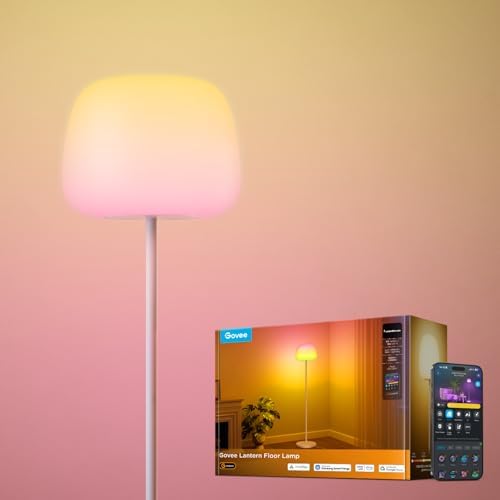
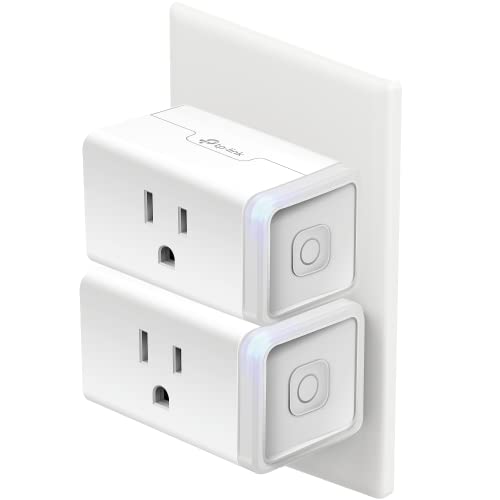
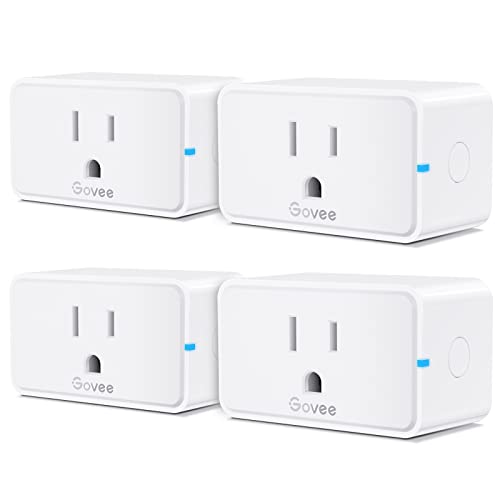
This one sounds almost too simple to matter, but hear me out. A smart plug lets you schedule and control anything plugged into it — your desk lamp, your monitor, even your coffee maker (yes, really).
Imagine your desk setup powering on automatically five minutes before your workday starts, monitor humming to life, lamp glowing warmly, coffee already brewing down the hall. It’s a small thing, but it removes that groggy “okay, let’s get everything turned on” ritual that eats into your first ten minutes of actual work.
It’s also great for shutting everything off at the end of the day with one command, so you’re not that person who worked until 11pm because the monitor was just… still on.


3. Smart Climate Control: Because Nobody Focuses in a Sauna
You cannot do your best work while sweating through your shirt or wearing a blanket like a cape at your desk. Temperature affects focus more than most people realize — too warm and you get sluggish, too cold and half your brainpower goes toward silently complaining about it.
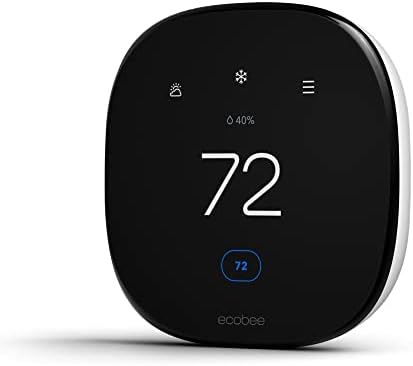
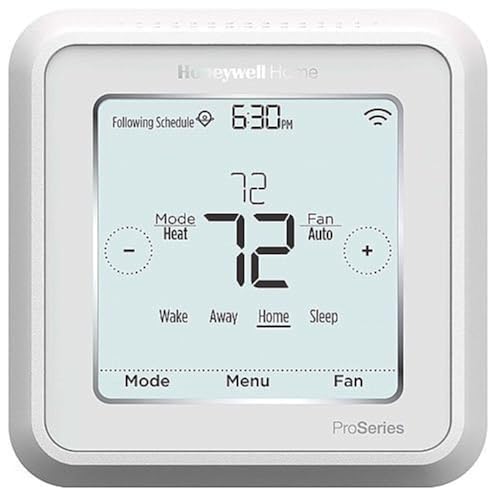
A smart thermostat or a smart space heater/fan combo lets you set your home office to a consistent, comfortable temperature automatically, without you getting up every twenty minutes to fiddle with a dial like you’re defusing a bomb. Some systems even learn your preferences over time, adjusting before you even notice you’re uncomfortable.


4. Noise Control: The Unsung Hero of Deep Work
Open floor plan? Barking dog? A neighbor who apparently only mows their lawn during your most important calls? Noise is one of the biggest, most underrated productivity killers, and traditional home offices do almost nothing to solve it.
Smart white noise machines or sound-dampening devices can create a consistent background hum that helps your brain tune out sudden distractions. Some smart speakers even have “focus mode” soundscapes built right in — rain, white noise, gentle ambient tones, whatever keeps you in the zone without spending money on a fancy app.
It won’t make your neighbor’s lawnmower disappear, but it’ll stop it from completely derailing your train of thought every single time.


5. Cable Management (Yes, It Actually Affects Productivity)
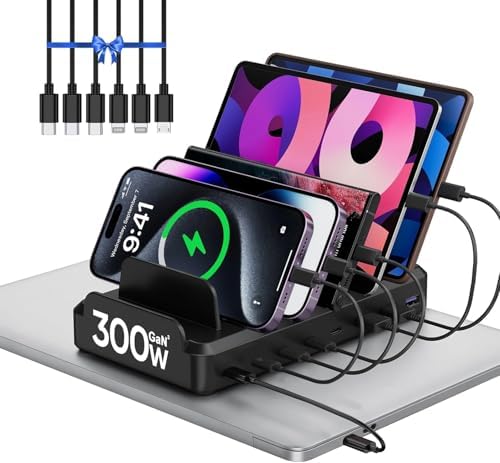
Nobody talks about this one enough. A messy desk with cables tangled like a bowl of spaghetti isn’t just annoying to look at — it’s a genuine mental drain. Cluttered environments make it harder to focus, and fumbling for the right cable every time you need to charge something adds up to real wasted time over a week.
Smart charging stations and cable organizers aren’t glamorous, but they solve a problem you didn’t realize was quietly stressing you out. Fewer visual distractions, less searching, less “wait, which cable is this again.”


6. Smart Sensors That Remind You to Actually Move
Here’s an uncomfortable truth: sitting at a desk for six hours straight isn’t “focus,” it’s just a slow decline in both posture and productivity. Smart desk sensors and posture trackers can gently nudge you to stand, stretch, or take a short walk at set intervals.
It sounds small, but short breaks actually improve focus rather than hurting it — your brain isn’t a phone battery that drains the moment you stop using it. A quick reminder to stand up every hour can be the difference between a productive afternoon and staring blankly at the same paragraph for fifteen minutes.
7. Video Call Setup: Small Upgrades, Big Difference
If your job involves video calls (and let’s face it, whose doesn’t these days), a few small smart upgrades go a long way. Smart lighting that automatically brightens for calls, a webcam with better low-light performance, or even a smart backdrop light can make you look — and feel — noticeably more put-together without any extra effort on your part.
You don’t need a full studio setup. You just need to stop looking like you’re being interviewed from a cave every time your camera turns on.
Putting It All Together (Without Overdoing It)
Here’s the good news: you don’t need to build all of this at once, and you definitely don’t need to spend a fortune. Most people start with one or two upgrades — usually lighting or a smart plug — and build from there once they feel the difference.
The goal isn’t to create some hyper-optimized productivity fortress. It’s to remove the small annoyances that quietly chip away at your focus every single day: the too-bright light, the too-cold room, the tangled cables, the background noise you’ve just learned to tune out (badly).
A smart home office isn’t about turning yourself into a productivity robot. It’s about making your environment work with you instead of quietly working against you all day. And once you feel what it’s like to sit down at a desk that’s actually set up to help you focus, going back to the old way feels a little bit like showing up to a race with your shoelaces tied together.
Start small, upgrade one thing at a time, and let your workspace catch up to how you actually want to work.