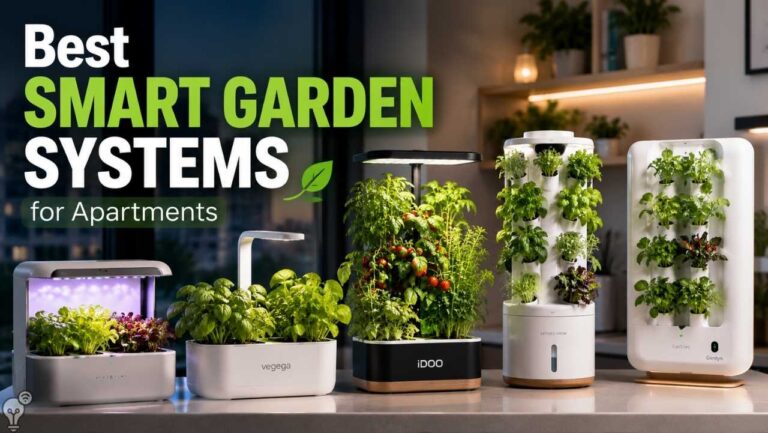
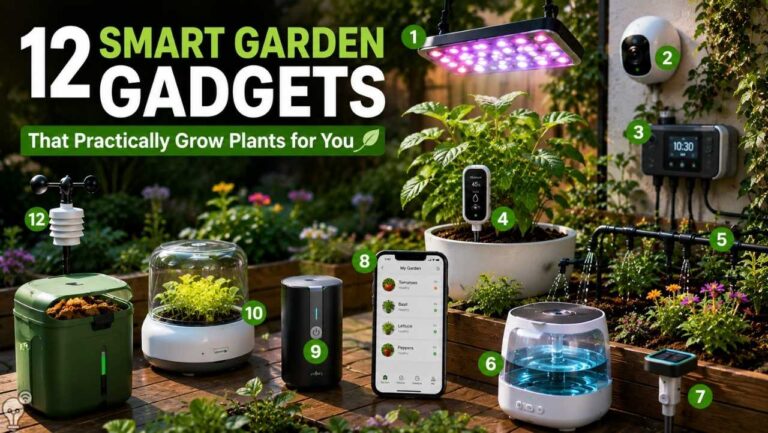
If keeping plants alive feels like a high-stakes reality show, welcome to the club. Some people can raise orchids from a single brave leaf. Others accidentally kill “unkillable” succulents simply by looking at them with stress.
The good news: a low-effort garden is possible. Not a “perfect Instagram greenhouse with a misting system controlled by satellites” kind of garden. More like: plants that survive real life — busy weeks, weekend trips, heat waves, and that one moment you realise the soil is so dry it’s basically a biscuit.
This guide covers 7 smart (and semi-smart) gadgets that quietly do the boring parts for you: watering, light, timing, and a bit of plant monitoring. Most are beginner-friendly, affordable, and easy to set up in an apartment, balcony, or small yard.
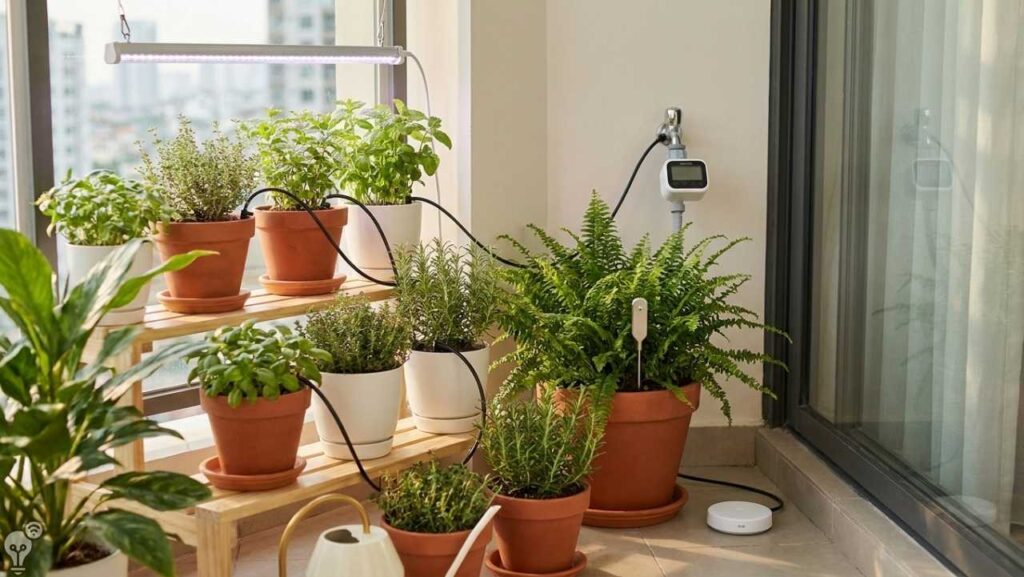
Before the gadgets: the low-effort smart garden mindset
A “smart” garden doesn’t mean buying everything with an app.
It means building a setup that:
- Reduces forgetting (watering schedules, light timing)
- Prevents extremes (drowning plants or letting them turn into dry toast)
- Works even when motivation is low
- Doesn’t require daily checking
Think of these gadgets as tiny assistants. Not plant babysitters (plants are dramatic). More like the friend who texts, “Hey… did you water that?” before it’s too late.
1) Smart watering timer (the #1 plant survival upgrade)
If plants could vote, this would win.
A smart watering timer attaches to an outdoor faucet (or garden tap) and controls when water flows to a hose or drip line. It’s perfect for:
- Balcony planters on a drip system
- Raised beds
- Small yard gardens
- Anyone who goes away for weekends

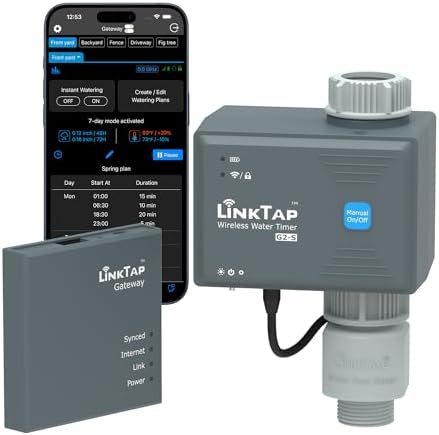

Why it keeps plants alive
- Watering becomes automatic, not “whenever remembered”
- Helps prevent both underwatering and panic-overwatering
- Many timers support multiple schedules (morning + evening)
What to look for
- Manual button (for quick watering without changing schedules)
- Rain delay or weather-based skip (nice to have)
- Solid app + Bluetooth/Wi‑Fi reliability (bad apps turn smart gadgets into stress gadgets)
Low-effort tip
If a full drip system feels like too much, start smaller:
- One timer + one simple drip line kit + a few main planters
That alone can upgrade a balcony from “plant hospice” to “actually thriving.”
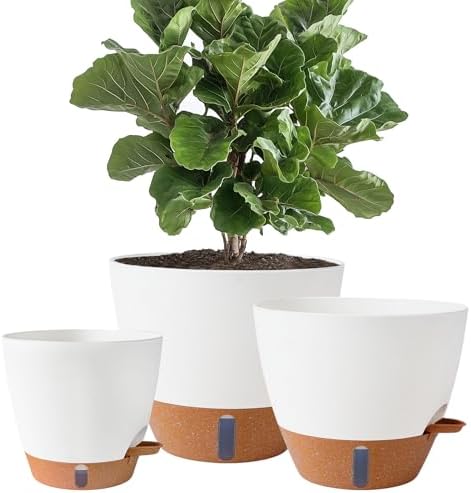
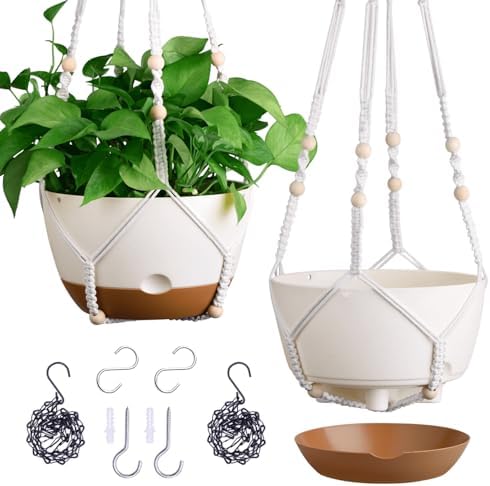
2) Self-watering planters (the gadget that looks normal but saves lives)
Self-watering planters are basically plants with a built-in snack bar.
They usually include a bottom reservoir and a wick or capillary system that pulls water up slowly. No app required, no cables, no drama.

Why it keeps plants alive
- Creates a buffer for missed watering days
- Helps prevent “top-watering panic” (where water runs straight out the bottom)
- Great for thirsty plants like herbs, pothos, and peace lilies
What to look for
- A clear water level indicator (optional but very helpful)
- A reservoir large enough for at least several days
- Good airflow/drainage design (some cheap planters stay soggy)
Low-effort tip
Use self-watering planters for:
- Herbs near the kitchen
- The 2–3 plants that always get forgotten
Not everything needs to be self-watering. Just your “high-risk” plants.
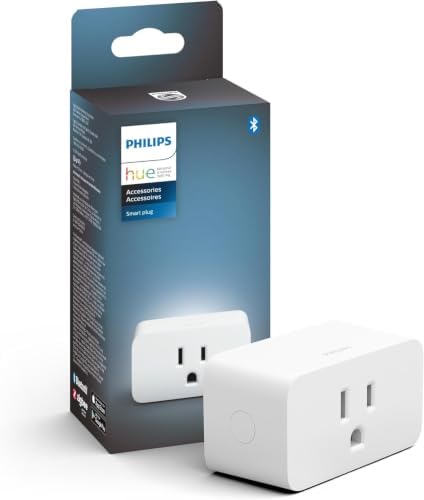
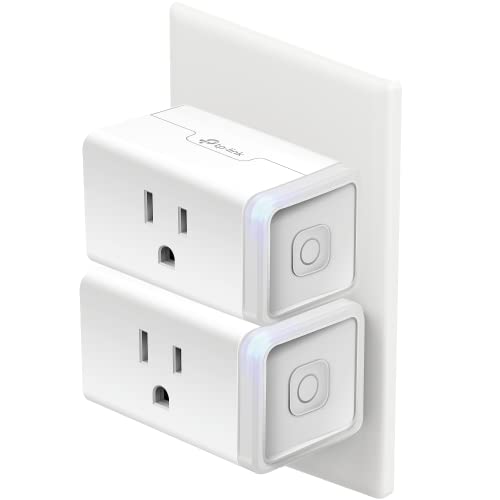
3) Smart plug + watering/lighting schedule (the simple automation hack)
A smart plug isn’t just for lamps. In a small garden setup, it can automate:
- Grow lights
- Small indoor fountain systems
- Mini humidifiers for plant corners
- Small pumps for indoor herb systems

Why it keeps plants alive
Plants love routine. Humans… love forgetting.
A smart plug helps create consistent patterns:
- Grow light turns on/off at the same time every day
- Water pump runs for short bursts (if using a small hydro setup)
What to look for
- Reliable scheduling (even if Wi‑Fi drops)
- Easy app controls
- Optional energy monitoring (not required, but fun if you’re into numbers)
Low-effort tip
Start with one automation:
- Grow light ON at 8:00, OFF at 20:00
That’s it. One schedule. Instant improvement.
4) Grow lights (because winter sun is… emotionally unavailable)
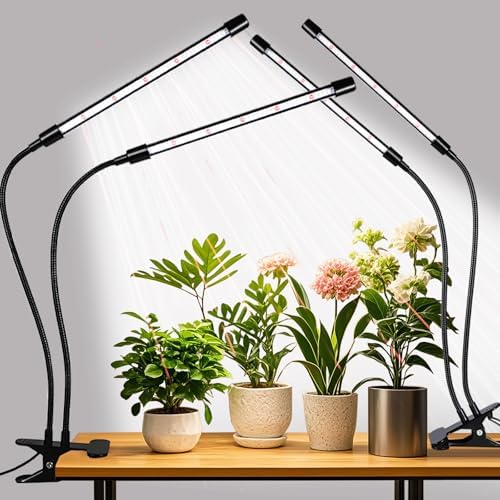
If plants keep leaning dramatically toward one window, grow lights can help.
Grow lights are especially useful for:
- Apartment gardens
- Dark rooms
- Winter months
- Herbs that turn into sad, skinny noodles without enough light


Why it keeps plants alive
- Provides consistent light when natural light isn’t enough
- Prevents leggy growth and weak plants
- Makes indoor herbs actually usable
What to look for (simple version)
- Full spectrum (most modern ones are)
- A built-in timer (or pair with a smart plug)
- A form factor that fits your space: clip-on, standing, shelf bar lights
Low-effort tip
If you want the easiest option, choose a light with:
- Timer + multiple brightness levels
Set it once, forget it exists, and enjoy plants that stop acting like they’re in a low-budget horror movie.
5) Soil moisture sensor (useful… if you choose the right expectations)
A soil moisture sensor can be helpful, but it’s not a magical plant lie detector.
Some sensors pair with an app and show moisture, light, and temperature. Others are simple, no-app meters.


Why it keeps plants alive
- Helps answer the biggest beginner question: “Does this plant need water, or am I about to drown it?”
- Prevents guesswork
- Useful for learning your home’s watering rhythm
What to look for
- Easy-to-read results (numbers or clear “dry/ok/wet”)
- Decent reviews for accuracy
- Simple setup (if the app is complicated, it won’t get used)
Low-effort tip
Use sensors for:
- New plants (until you learn the routine)
- Plants in tricky pots (big pots, deep pots, hanging planters)
And remember: sensors are guides, not judges. They won’t send plant police.
6) Drip irrigation kit (the low-effort watering system for balconies and beds)
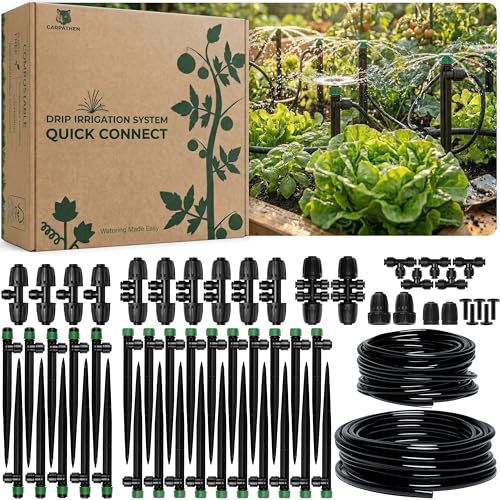
A drip irrigation kit sounds like “home improvement weekend,” but many kits are surprisingly beginner-friendly.
They usually include:
- Thin tubing
- Drippers or emitters
- Connectors
- A way to hook into a faucet, tank, or pump
Pair it with a watering timer (Gadget #1), and you’ve basically built autopilot watering.


Why it keeps plants alive
- Delivers water slowly and evenly
- Reduces water waste
- Keeps planters consistent (especially in summer)
What to look for
- Adjustable drippers (so you can give different plants different amounts)
- Easy-to-cut tubing
- Enough connectors for your number of pots
Low-effort tip
Don’t try to irrigate your entire life on day one.
Start with:
- 4–6 pots that need the most help
Once that works, expand.
7) Water-level alarms / leak sensors (because water + floors = heartbreak)
This one is for indoor gardeners, balcony gardeners, and anyone who has ever thought:
“It’s just a little water.”
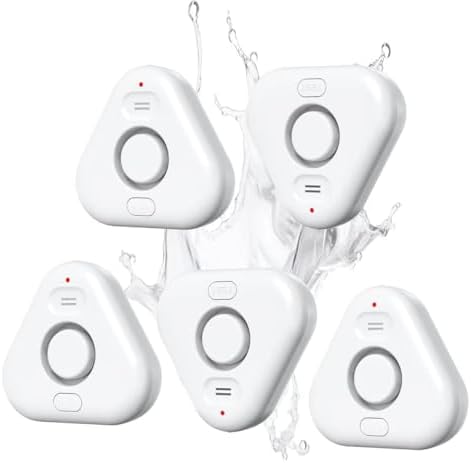
Leak sensors are usually used for washing machines and sinks — but they’re also great for:
- Indoor watering stations
- Balcony setups near doors
- DIY drip systems
- Any place where a leak could quietly ruin your day


Why it keeps plants alive (and saves your sanity)
- Alerts you before a small leak becomes a big mess
- Gives confidence to automate watering
- Helps prevent moldy surprises
What to look for
- Loud alarm or phone notification
- Long battery life
- Works with your smart home system (optional)
Low-effort tip
Place one sensor:
- Under the watering tray area or near the pump/tubing connections
It’s the kind of gadget you’ll forget… until it saves you.
Quick setup plan: low-effort smart garden in 60 minutes
If decision fatigue is already creeping in, here’s a simple starter plan.
Step 1 (10 minutes): Pick the “high-risk” plants
Choose 3–6 plants that are most likely to suffer:
- Herbs
- Sun-hungry plants indoors
- Thirsty plants
Step 2 (15 minutes): Add one automation
- Smart plug + grow light schedule
or
- Smart watering timer for outdoor planters
Step 3 (20 minutes): Add one safety buffer
- Self-watering planters
or
- Drip irrigation for the main pots
Step 4 (15 minutes): Add one monitoring tool
- Simple moisture sensor
Done. That’s a smart garden.
Common mistakes (so plants don’t suffer from “help”)
1) Automating too much too fast
Start with one system. Get it stable. Then expand.
2) Overwatering because “the app said so”
Apps and sensors are helpful, but plants still need common sense:
- Check pot drainage
- Consider season changes
3) Ignoring light
Watering gets all the attention, but light is often the real problem.
If plants look sad and stretched, they might be starving for brightness.
Final thoughts: keep it simple, keep it alive
A low-effort smart garden isn’t about being “good at plants.” It’s about building a setup that still works when life gets busy.
Start with one upgrade:
- automate watering or
- automate light
Then add a buffer like self-watering planters or drip irrigation.
Plants don’t need perfection. They need consistency.
And if a gadget quietly prevents a plant from becoming a crispy salad? That gadget has earned its place.
Found this helpful? Explore more smart-living guides on Inovateia — practical gadgets, simple setups, and tech that makes daily life easier.