Sleep is supposed to be the one part of your day that happens automatically. You lie down, you close your eyes, you wake up refreshed. Simple.
And yet here we are — scrolling phones at midnight, lying awake thinking about that email, waking up at 3am for no reason, dragging ourselves out of bed feeling more tired than when we went in.
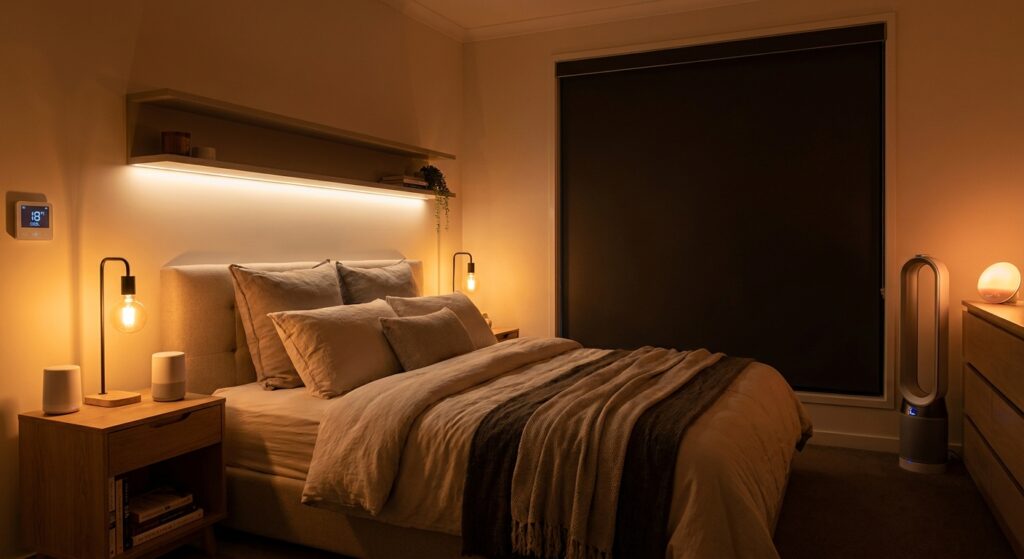
Your bedroom environment plays a huge role in sleep quality. Temperature, light, sound, air quality — all of it affects how well you sleep and how easily you unwind before bed. Smart home devices are uniquely good at managing these things automatically, without you having to think about them. Here’s how to put together a bedroom that actually helps you sleep.
1. 💡 Smart Bulbs — Light That Works With Your Body Clock
This is the single most impactful smart bedroom upgrade you can make, and it costs less than most people expect.
Your body’s sleep-wake cycle is deeply connected to light. Bright, cool light signals your brain to stay awake and alert. Warm, dim light signals that it’s time to wind down. Most people spend their evenings in rooms that are far too brightly lit — which is why lying down and immediately falling asleep feels impossible.
Smart bulbs let you automate this completely. Set them to gradually shift toward warm, dim amber light starting about an hour before your target bedtime. By the time you’re ready to sleep, your brain has been gently nudged toward rest rather than wired awake.
In the morning, do the opposite: a gradual brightening from 0% to full daylight-style lighting over 20-30 minutes works as a natural alarm clock that wakes your body up gently rather than jolting it awake. It’s one of the nicest ways to start a day.


2. 🌡️ Smart Thermostat — The Ideal Sleep Temperature on Autopilot
Research is pretty consistent on this: the ideal sleeping temperature for most adults is somewhere between 16°C and 19°C (60-67°F). Cool, but not cold. Most people sleep in rooms that are too warm, which disrupts deep sleep without them realising it.
A smart thermostat lets you schedule your bedroom to drop to your ideal sleep temperature automatically before bed — and warm back up before your alarm goes off, so you’re not leaping out of a cold room every morning.
If you share a home with people who prefer different temperatures, smart radiator valves let you control individual room temperatures independently. Your bedroom stays cool for sleep while the rest of the house stays comfortable for everyone else.


3. 🔊 White Noise Machine or Smart Speaker — Sound That Helps You Sleep
For a lot of people, silence isn’t actually ideal for sleep. The problem isn’t sound — it’s inconsistent sound. A sudden noise wakes you up. Consistent background sound masks those sudden noises and keeps your brain from startling awake.
A dedicated white noise machine gives you consistent, soothing background sound — rain, ocean waves, fan noise, or classic white noise. Many models have timers built in, or you can connect them to a smart plug to turn off automatically after you’ve fallen asleep.
A smart speaker works beautifully here too. Set a sleep routine: dim the lights, play rain sounds for 30 minutes, then fade out. “Alexa, start my sleep routine” — and everything happens at once.


4. 💨 Smart Air Purifier — Cleaner Air for Deeper Sleep
Air quality affects sleep quality more than most people know. Dust, allergens, pet dander, and CO2 buildup in a closed bedroom can cause restless sleep, congestion, and morning grogginess that has nothing to do with how long you slept.
A smart air purifier runs automatically, monitors air quality in real time, and ramps up when levels drop. At night, most models have a whisper-quiet sleep mode — effective but nearly silent.
If you wake up with a stuffy nose, headaches, or feeling unrested despite a full night’s sleep, air quality is worth investigating. It’s one of those things that makes an immediate, noticeable difference once you fix it.


5. 🛡️ Smart Blinds or Curtains — Darkness When You Need It, Light When You Don’t
Light is your body clock’s primary signal. Streetlights, early morning sun, phone notifications — any light in a bedroom at the wrong time can disrupt sleep without you consciously noticing.
Smart blinds close automatically at sunset and open gradually in the morning as part of your wake-up routine. Total blackout when you want it, natural morning light when you’re ready for it.
Combined with smart bulbs that gradually brighten, smart blinds create a morning wake-up experience that genuinely feels natural rather than jarring. Your body wakes up before your alarm, which is a very different feeling to being ripped out of sleep by a loud sound.


6. 🔌 Smart Plug for Your Bedroom Devices — Cut the Glow and the Distraction
Device screens, charging indicator lights, router LEDs — every little light source in a bedroom adds up. Studies show that even small amounts of light exposure during sleep can affect sleep quality.
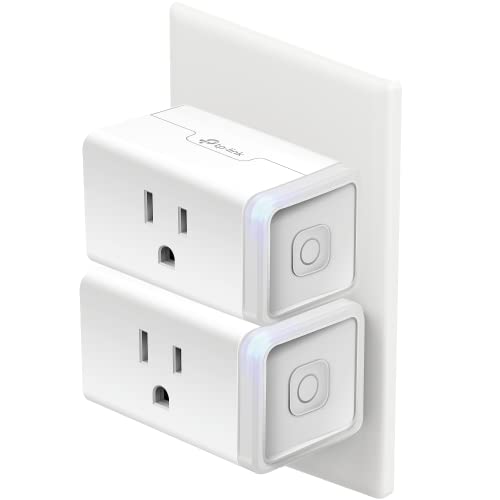
A smart plug on a power strip lets you cut power to all non-essential bedroom devices at bedtime automatically. No glow from the TV standby light. No charger indicator. Just darkness.
It also handles something even more important: phone charging. Put your phone on a smart plug that cuts power at 80% charge (avoiding the heat and battery stress of overnight 100% charging) and turns off entirely if you want to commit to a proper digital wind-down before bed.


7. 📱 Sleep Tracking Device — Understand What’s Actually Happening
You can optimise your bedroom environment all you like — but if you don’t know whether it’s working, you’re guessing. A sleep tracker tells you what’s actually happening.
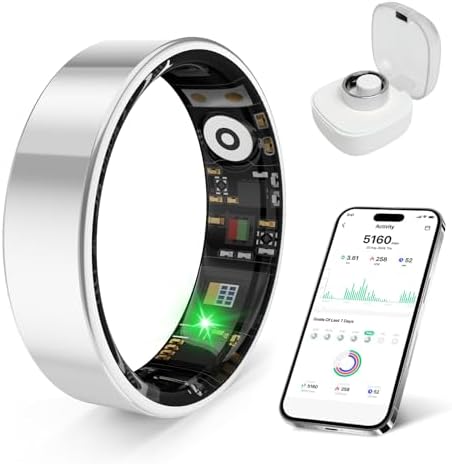
Devices like the Oura Ring, Withings Sleep mat, or Fitbit track your sleep stages, heart rate, breathing patterns, and restfulness throughout the night. Over time, you build a clear picture of what helps and what doesn’t — which temperature works best for you, whether the white noise made a difference, how long it actually took to fall asleep.
Some devices connect directly to smart home platforms, automatically adjusting your bedroom environment based on what they detect. Room too warm? The thermostat adjusts. Sleep getting restless? The white noise volume shifts slightly. It sounds futuristic but it’s genuinely available now.


8. 🔆 Smart Bedside Lamp With Sunrise Alarm — Wake Up Like a Human
Alarm clocks that blast sound are a brutal way to start the day. Your body goes from deep sleep to full fight-or-flight response in about two seconds. That groggy, disoriented feeling — called sleep inertia — can last hours.
A smart bedside lamp with a sunrise alarm function starts gradually brightening 20-30 minutes before your set wake time. Your body naturally moves from deep sleep to lighter sleep stages as the light increases. By the time the gentle alarm sounds (birds, soft chimes, or whatever you prefer), you’re already nearly awake.
People who switch to sunrise alarms almost universally say they feel dramatically better in the mornings. It’s one of those small changes with a disproportionately large effect on daily life.


Putting It All Together: A Simple Sleep Routine
You don’t need everything at once. But here’s what a fully set up smart bedroom routine looks like:
One hour before bed:
- Smart bulbs shift to warm, dim amber light
- Smart blinds close
- Thermostat begins cooling the bedroom
Bedtime:
- “Alexa, goodnight” — lights off, white noise starts, non-essential devices power down
During the night:
- Air purifier runs quietly on auto mode
- Temperature stays at your ideal sleep setting
30 minutes before wake time:
- Blinds begin opening gradually
- Bedside lamp begins sunrise simulation
- Thermostat warms the room back up
Wake time:
- Gentle alarm sounds
- Full morning light
- Smart speaker plays your morning playlist or news briefing
Set it up once. Then just go to bed.
Ready to build a bedroom that actually helps you sleep? Browse more smart home guides on Inovateia for practical advice on the devices worth buying.