Let’s talk about something we all care about but rarely want to think too hard about: the electricity bill. That moment when you open it and think “how is it THIS much?” — while knowing deep down it’s because you left the heating on for three days straight and forgot the lights were blazing in every room.
The good news? Smart home gadgets aren’t just cool tech toys. Some of them genuinely, measurably reduce your energy consumption — and your bills along with it. Here are 10 that actually deliver on that promise.
1. 🌡️ Smart Thermostat — The Biggest Saver on This List
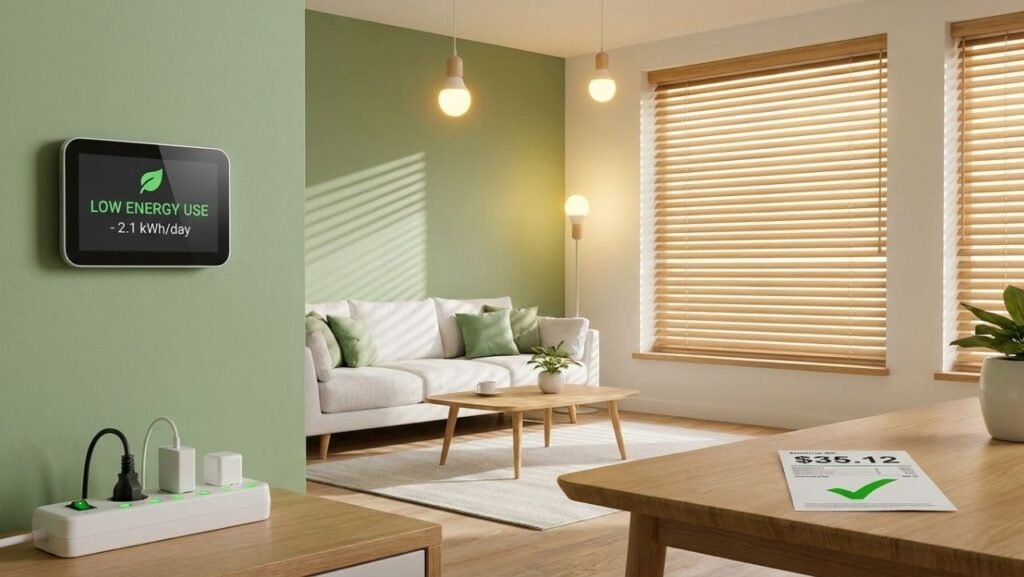
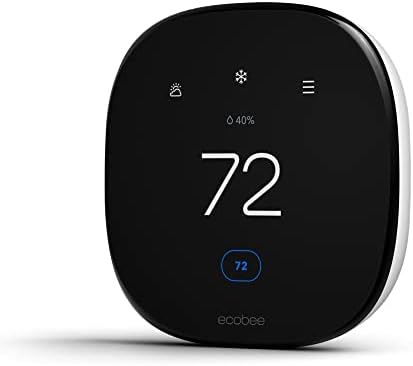
If there’s one gadget worth investing in for energy savings, it’s this one. A smart thermostat learns your schedule and adjusts your heating and cooling automatically. It warms the house before you get home and dials back while you’re out — without you thinking about it.
Most users report saving 10–15% on heating and cooling costs within the first few months. For most households, that means the device pays for itself within a year. After that, it’s just free money every month.
Bonus: you can control it remotely, so if you forget to turn down the heat before a weekend trip, one tap on your phone fixes it. From 200 miles away. No drama.


2. 🔌 Smart Plugs with Energy Monitoring — For the Curious (and the Horrified)
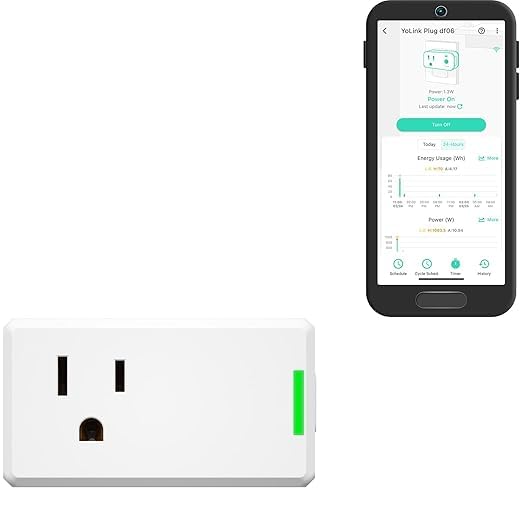
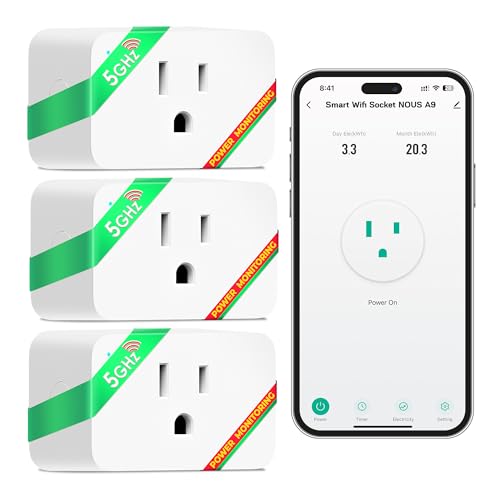
Regular smart plugs let you control appliances remotely. Smart plugs with energy monitoring go one step further — they show you exactly how much electricity each device is using in real time.
This is where things get genuinely eye-opening. That old TV on standby? Using more than you think. The gaming console you left plugged in for a week? Quietly draining power like a tiny gremlin.
Once you can see the data, you make smarter decisions. You’ll also be able to spot “energy vampires” — devices that consume power even when they’re supposedly off — and eliminate them.

3. 💡 Smart Bulbs — LED + Automation = Lower Bills
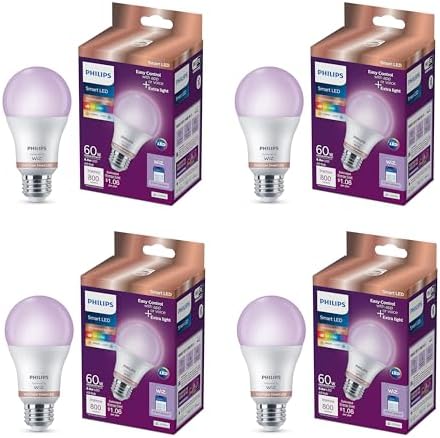
Switching to LED bulbs alone saves energy. Switching to smart LED bulbs and actually using the scheduling features saves even more. Set them to turn off automatically when you leave a room, dim automatically in the evening, or shut down completely at midnight.
The beauty of smart bulbs is that they eliminate the single biggest source of wasted lighting energy: forgetting. Forgot to turn off the living room light? It turns itself off. Left the bedroom light on all day while you were at work? Not anymore.
Over the course of a year, automated lighting schedules can make a noticeable dent in your electricity use — especially in larger homes.


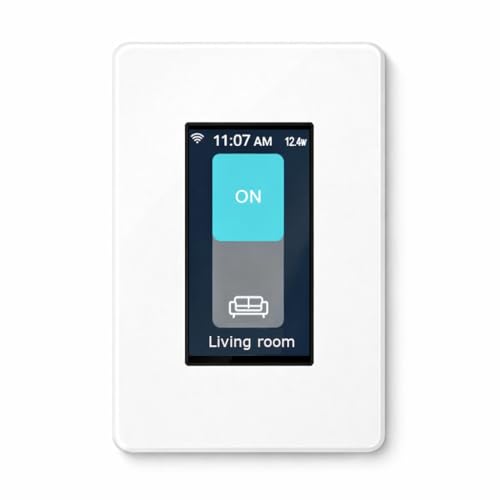
4. 🔆 Smart Light Switches — For Rooms You Can’t Change the Bulbs
Not every light fixture takes a standard bulb you can swap out. Smart light switches solve that problem by adding automation at the switch level instead. They work with any fixture, any bulb, and give you the same scheduling and remote control benefits as smart bulbs.
Particularly useful for outdoor lights, hallway lights, and bathroom lights — the ones that get left on for hours without anyone noticing.


5. 🧠 Smart Power Strips — Kill Standby Power for Good
Did you know that most electronics continue drawing power even when turned off? It’s called standby power or “vampire power” and it can account for 5–10% of your total electricity use. That’s not nothing.
A smart power strip lets you cut power to multiple devices at once — with a schedule, a voice command, or automatically when a “master” device (like your TV) turns off. So when you switch off the TV, the gaming console, soundbar, and streaming stick all cut power too. Instantly.
It’s one of the simplest and most underrated energy-saving gadgets available.


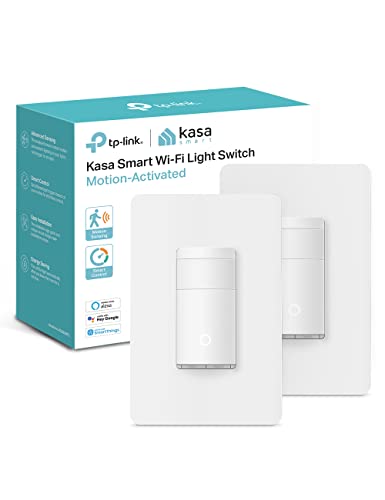
6. 🚶 Smart Motion Sensors — Lights That Turn Off When Nobody’s There
Motion sensors take the human forgetfulness factor completely out of the equation. Lights turn on when you enter a room and turn off automatically when you leave. No switches, no schedules, no remembering.
They’re especially useful in rooms you pass through briefly — bathrooms, hallways, laundry rooms, garages. These are the lights that get left on the longest because nobody thinks about them. A motion sensor fixes that permanently.


7. ☀️ Smart Blinds and Curtains — Let the Sun Do the Work
This one is elegantly simple. In winter, open the blinds during the day to let sunlight heat the room naturally — reducing how hard your heating system has to work. In summer, close them during the hottest part of the day to keep the heat out — reducing your air conditioning load.
Smart blinds do this automatically based on time of day, sunlight levels, or temperature. You set it once and forget about it. Meanwhile, your thermostat is working less because the sun is doing part of its job for free.


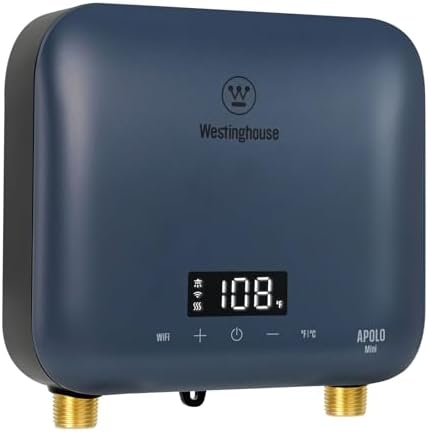
8. 🚰 Smart Water Heater Controller — Hot Water When You Need It, Off When You Don’t
Water heating accounts for a surprisingly large chunk of home energy use — often around 15–20% of the total bill. Most traditional water heaters keep water hot 24/7, whether you need it or not.
A smart water heater controller lets you set a schedule so your water heater only heats water when you actually use it — before your morning shower, in the evening, whenever your routine calls for it. The rest of the time? It’s off.
This one requires a bit more setup than a plug-and-play device, but the savings can be substantial.


9. 🤖 Robot Vacuum — Indirectly Saves Energy (Really)
Okay, this one needs a small explanation. A robot vacuum uses very little electricity compared to a traditional vacuum cleaner — typically a fraction of the energy per cleaning session. If it runs daily on a low-power schedule instead of you running a full-sized vacuum weekly, the energy difference adds up over time.
But the bigger win is that a consistently clean home with regularly maintained floors and filters means your HVAC system doesn’t have to work as hard filtering dusty air. Cleaner home = more efficient heating and cooling. It’s a small effect, but a real one.


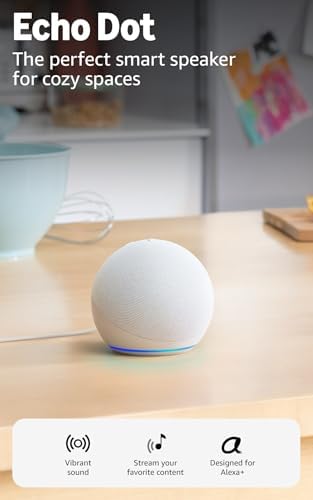
10. 📱 Smart Home Hub or App — The Glue That Makes It All Work
This isn’t a gadget that saves energy on its own, but it’s what makes all the other gadgets dramatically more effective. A smart home hub (or a well-set-up app like Google Home or Amazon Alexa) lets you create routines that combine multiple devices.
“Leaving Home” routine: turn off all lights, set thermostat to energy-saving mode, cut power to smart strips, close the blinds. One command. Everything done.
“Good Night” routine: lights off, heating reduced, outdoor lights on a timer. Again, one command.
Without the hub pulling everything together, each gadget saves a little. With it, they all work as a system — and that’s when the savings get genuinely meaningful.


How Much Can You Actually Save?
The honest answer is: it depends on your home, your habits, and which gadgets you start with. But here’s a realistic picture:
- Smart thermostat alone: 10–15% off heating/cooling
- Eliminating standby power: 5–10% off total bill
- Automated lighting: 5–15% off lighting costs
- Combining several gadgets: some households report 20–30% reduction in total electricity use
That’s not pocket change. For an average household electricity bill, those percentages translate to real money every single month.
Where to Start
If the list feels overwhelming, start here:
- Smart thermostat — biggest single impact
- Smart plugs with energy monitoring — find out where your power is actually going
- Smart bulbs — easy, cheap, immediate
Add more from there as your budget allows. Every gadget you add makes the system more efficient. And unlike most home upgrades, these ones actually pay you back.
Looking for more practical smart home tips? Browse the full collection of guides on Inovateia — honest advice, real results.