Allergies are annoying because they don’t just show up once and leave. They move in. They redecorate. They turn “home” into “Why are my eyes itchy again?”
The good news: smart home tech can genuinely help allergy sufferers—not by “curing” anything, but by reducing the triggers that make symptoms worse.
The best smart devices do three things:
- Filter or reduce airborne allergens (dust, pollen, pet dander)
- Control humidity (mold + dust mites love the wrong humidity)
- Make healthy habits automatic (ventilation, cleaning schedules, reminders)
Below are the smartest, most practical devices to consider—plus what to look for so the purchase actually improves daily life.
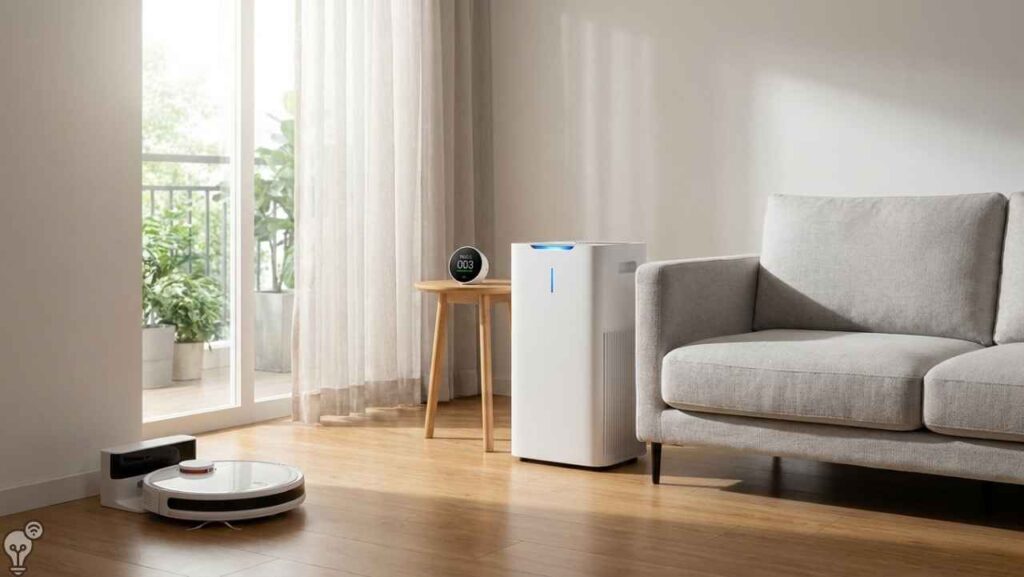
1) Smart air purifier (the #1 upgrade for most homes)
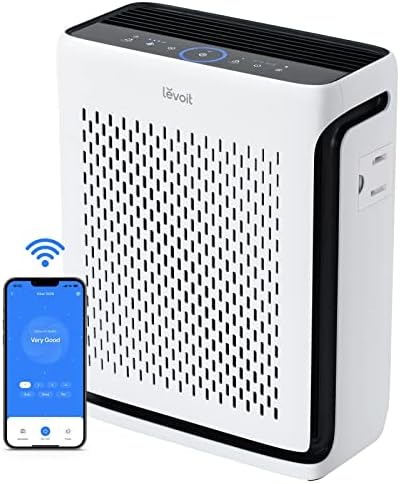
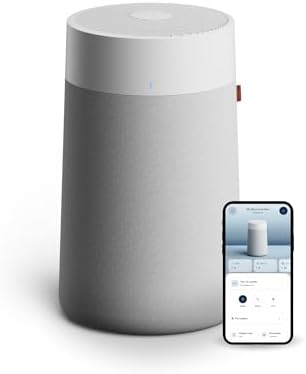
If there’s one device that tends to make the biggest difference, it’s a good air purifier.

Why it helps
- Captures airborne particles like dust, pollen, and pet dander
- Reduces that “air feels heavy” feeling in bedrooms
- Helps during high-pollen seasons and smoke events
What to look for
- True HEPA (or “HEPA H13/H14” depending on region/branding)
- A CADR/coverage area that matches the room size
- Auto mode with a particle sensor (so it ramps up when needed)
- Reasonable filter replacement cost (this is where budget models get sneaky)
Best placement
- Bedroom first (sleep is where allergies love to do their best work)
- Living room second
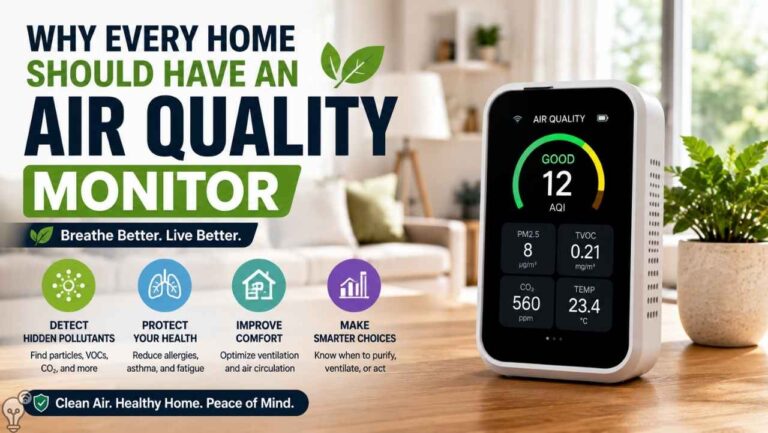
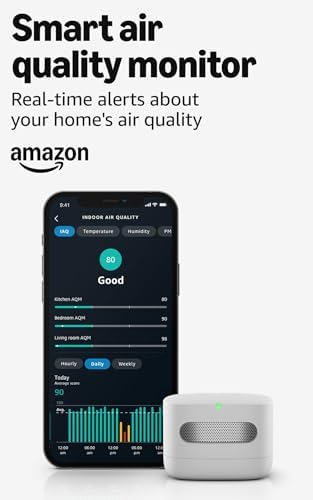
2) Air quality monitor (so the home stops guessing)
Air purifiers are great, but an air quality monitor adds something powerful: clarity.


Why it helps
- Shows when indoor air actually gets worse (cooking, candles, open windows on pollen days)
- Helps decide when to ventilate vs when to keep windows closed
- Makes purifier placement and settings smarter
What to look for
- PM2.5 tracking (fine particles)
- CO₂ (ventilation signal—stuffy air can feel like “allergy fatigue”)
- Humidity (mold/dust mite risk)
3) Smart humidifier (for dry-air irritation)
Dry air can make allergy symptoms feel worse by irritating the nose and throat.


Why it helps
- Helps reduce dry nasal irritation
- Makes sleeping more comfortable in winter
What to look for
- Built-in humidistat (target humidity)
- Easy cleaning design (humidifiers can become gross fast)
Target range
Many homes feel best around 40–60% humidity. The sweet spot depends on climate and season.
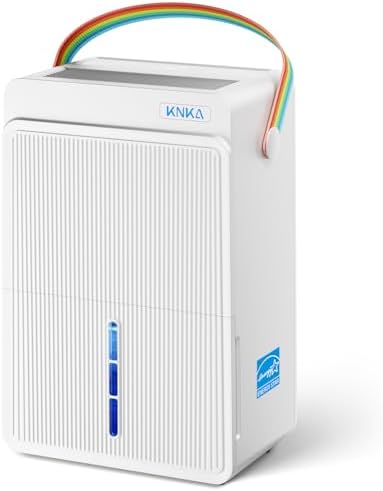
4) Smart dehumidifier (for mold + dust mite control)
If humidity is consistently high, allergies can get worse—especially with mold sensitivity.


Why it helps
- Reduces mold-friendly conditions
- Helps control dust mites (they love humid environments)
- Helps with musty smells and condensation
What to look for
- Humidity target control
- Drain hose option (so it can run without constant emptying)
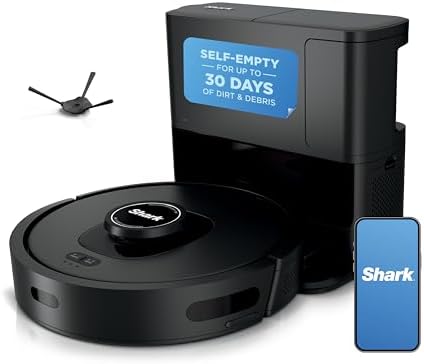
5) Robot vacuum with scheduling (allergy-friendly cleaning without effort)
Dust doesn’t care about motivation. A robot vacuum solves that problem beautifully.



Why it helps
- Keeps dust and pet hair under control consistently
- Reduces “big cleaning day” buildup
What to look for
- Strong suction + good brush design (especially for pet hair)
- A schedule feature that’s actually easy to use
- Auto-empty dock if the home has pets or lots of dust (less handling)
Simple schedule
- Daily light clean in high-traffic areas
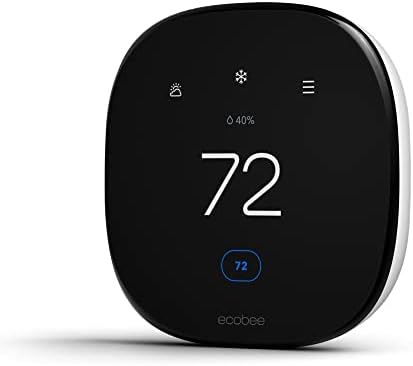
6) Smart thermostat / HVAC controls (better filtration habits)
If a home has central heating/cooling, filtration becomes a big lever.


Why it helps
- Encourages consistent air circulation and filtration
- Makes it easier to manage comfort without constantly opening windows
What to look for
- Filter change reminders
- Compatibility with better HVAC filters (higher MERV ratings—within system limits)
Important: Don’t jump to an overly restrictive filter if the HVAC system can’t handle it.
7) Smart vents + room-by-room airflow (for uneven rooms)
Some rooms get stuffy, humid, or dusty faster than others.


Why it helps
- Improves airflow to problem rooms
- Can help balance comfort so bedrooms don’t feel stale
Best for
- Homes with uneven temperatures or poor airflow in certain rooms
8) Smart window/door sensors (ventilation without the “oops”)
Opening windows can help—or hurt—depending on pollen and outdoor air.


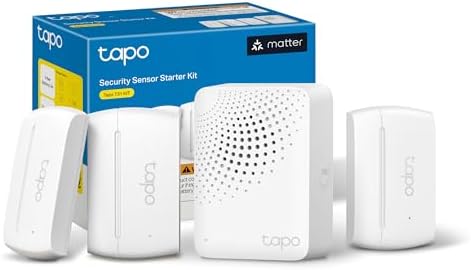
Why it helps
- Reminds you when windows are open during high pollen or smoke days
- Helps build routines (quick ventilation, then close)
Best when paired with an air quality monitor for “open now / don’t open now” decisions.
9) Smart air conditioner or smart AC controller (filters + humidity)
In warm seasons, AC isn’t just about temperature—it’s also about humidity control.

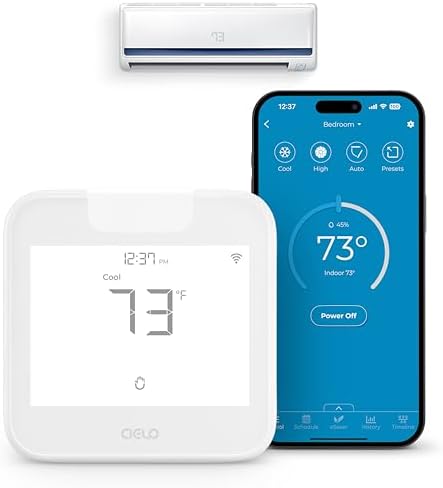
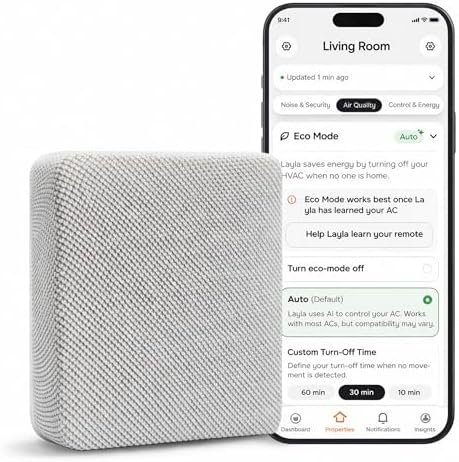

Why it helps
- Reduces humidity (which can reduce mold/dust mite pressure)
- Supports better sleep when allergies are flaring
What to look for
- Good filter access
- Dehumidification mode
10) Smart bedroom upgrades (small changes that matter)
Allergy symptoms often hit hardest at night.
These smart-ish upgrades help without turning the bedroom into a spaceship:
- Smart plug schedule for purifier or humidifier (set-and-forget)
- Smart blackout shades (less open-window temptation at night)
- White noise machine (not allergy-related, but helps sleep when symptoms are annoying)
A simple “starter kit” for allergy relief at home
If a clean, practical setup is the goal, this combo covers most situations:
- Smart air purifier (bedroom)
- Robot vacuum (scheduled)
- Humidity control (humidifier or dehumidifier depending on your readings)
Add an air quality monitor if you want data and better decisions.
Common mistakes (so smart devices actually help)
- Buying a purifier that’s too small for the room (it won’t keep up)
- Running a humidifier without tracking humidity (too much humidity can backfire)
- Forgetting filter maintenance (filters can’t work forever)
- Ventilating on high-pollen days with windows wide open (the “fresh air” trap)
Final thoughts
Smart devices won’t eliminate allergies, but they can dramatically reduce the daily triggers that make symptoms worse.
The goal is a home that quietly supports breathing easier—without constant effort.
Start with one high-impact upgrade (usually a purifier or robot vacuum), make it consistent, then build from there.