Remember when a fridge’s only job was to keep your milk cold and occasionally hum ominously at 2 a.m.? Those days are numbered. Appliances are getting a serious upgrade, and honestly, some of them are starting to feel more capable than the humans using them.
Smart home technology isn’t just about turning lights on with your voice anymore (though yes, that’s still fun to show off to guests). It’s fundamentally changing what appliances do, how much they cost to run, and how long they last. Traditional appliances aren’t disappearing overnight, but the writing is on the smart-enabled wall.
Here are the biggest smart home trends quietly replacing the appliances you grew up with — and why your next major purchase might look nothing like your parents’.
1. Smart Refrigerators Are Becoming Kitchen Command Centers
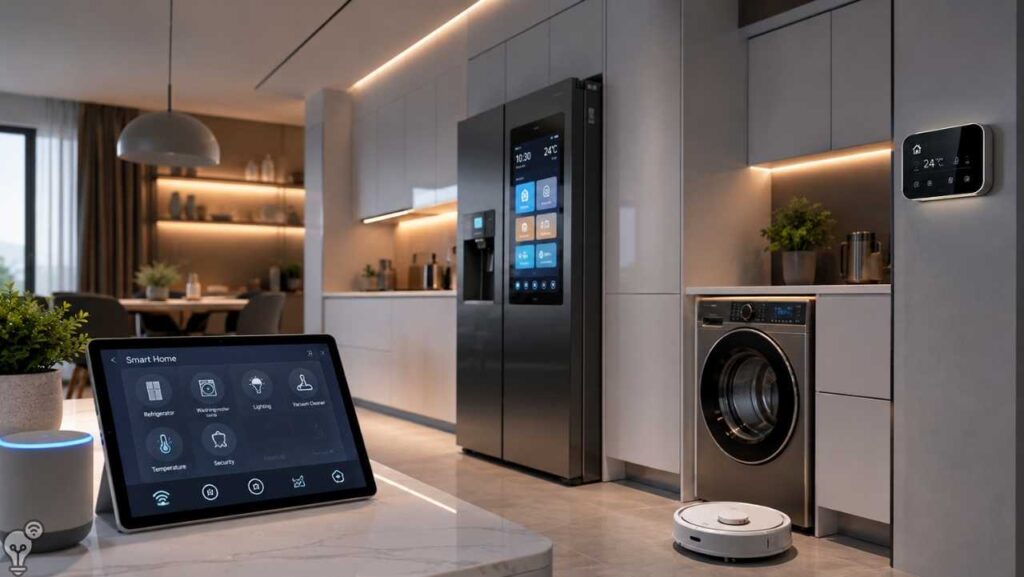
The old fridge did one job. The new smart fridge does that job, plus it tracks expiration dates, suggests recipes based on what’s actually inside, creates shopping lists automatically, and in some models, lets you see inside the fridge from the grocery store via camera (so you can finally stop the great “do we have eggs?” debate over text).
Beyond convenience, smart fridges are also dramatically more energy-efficient than older models, using adaptive cooling that adjusts based on usage patterns instead of running at one constant setting all day.
Why it matters: Food waste is one of the biggest hidden costs in any household, and a fridge that actually helps you use what you buy pays for itself over time.


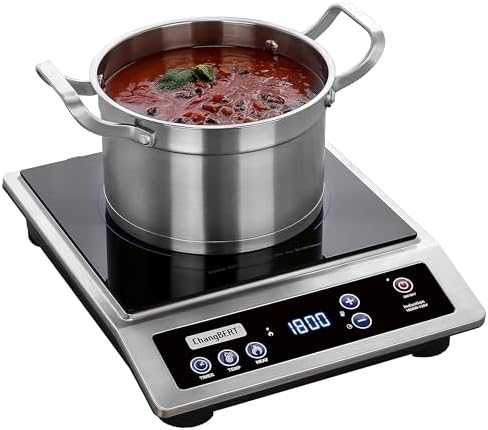
2. Induction Cooktops Are Quietly Killing the Gas Stove
Induction cooking has been around for a while, but it’s having a real moment right now — and for good reason. Induction cooktops heat the pan directly using electromagnetic energy instead of heating a burner and letting that heat transfer inefficiently into your cookware. The result is faster cooking, more precise temperature control, and significantly less wasted energy.
They’re also safer (no open flame, and the surface itself doesn’t stay dangerously hot), easier to clean (no more scrubbing burnt sauce off cast iron grates), and increasingly common in new smart-home builds.
Why it matters: Induction cooktops can boil water almost twice as fast as gas, and many now connect to apps that let you control precise temperatures — basically sous vide without the extra gadget.


3. Heat Pump Water Heaters Are Replacing the Energy-Hungry Tank
Traditional water heaters work by brute force: heat up a big tank of water and keep it hot, whether you need it or not. It’s like leaving your car running in the driveway all day just in case you decide to go somewhere.
Heat pump water heaters flip this completely. Instead of generating heat directly, they pull warmth from the surrounding air and transfer it into the water, using a fraction of the energy traditional tanks require. Smart models now pair with apps that let you schedule heating based on your routine, so you’re not paying to keep water hot while you’re asleep or at work.
Why it matters: Water heating is often the second-largest energy expense in a home, right behind heating and cooling. This is one of the highest-impact upgrades you can make.


4. Robot Vacuums and Mops Are Becoming Actual Cleaning Systems
The early robot vacuum was a cute novelty that got stuck under the couch and gave up on life. Today’s versions map your entire home, avoid obstacles with surprising intelligence, empty their own dustbins, mop and vacuum in the same pass, and let you set cleaning zones and schedules through an app.
They’re not replacing deep cleaning entirely, but they’re absolutely replacing the daily vacuum-and-sweep routine that used to eat up time every single week.
Why it matters: Time is money, and getting back even 20–30 minutes a day adds up fast — plus, consistent daily cleaning actually reduces buildup that requires more intensive (and more expensive) deep cleaning later.


5. Smart Ovens Are Replacing Multiple Small Appliances at Once
Air fryer, toaster oven, dehydrator, slow cooker, standard oven — many kitchens have accumulated a small appliance graveyard of single-use gadgets. Smart ovens are increasingly combining all of these functions into one connected unit, with app-based presets, remote preheating, and even built-in cameras so you can check if dinner is burning without opening the door and losing all your heat (and your dignity).
Why it matters: Fewer appliances means less counter clutter, lower total energy use, and no more digging through the cabinet for the one attachment your air fryer needs.


6. Smart HVAC Systems Are Making Traditional Thermostats Obsolete
We’ve talked about smart thermostats before, but the trend has expanded well beyond a single smart display on the wall. Full smart HVAC systems now include room-by-room sensors, automatic humidity control, and predictive adjustments based on weather forecasts — not just your last manual input.
Instead of heating or cooling your entire house evenly (including that guest room nobody’s used since 2021), smart systems can direct comfort exactly where it’s needed.
Why it matters: Zoned, sensor-based climate control is one of the most effective ways to cut energy waste without sacrificing comfort.

7. Smart Laundry Machines Are Learning Your Habits
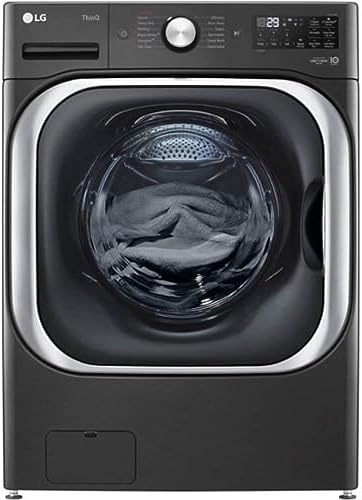
Newer washers and dryers now adjust water levels, detergent amounts, and cycle times automatically based on load size and fabric type, instead of relying on you eyeballing it. Some models send a notification when laundry is done (finally, an end to the forgotten-wet-laundry smell), and pair with your energy provider to run cycles during lower-cost, off-peak hours.
Why it matters: Laundry is one of the most repetitive household tasks, and small efficiency gains — less water, less detergent, smarter timing — add up significantly across dozens of loads a month.


8. Matter and Universal Smart Home Standards Are Making Everything Work Together
This trend isn’t a single appliance, but it might be the most important one on this list. For years, smart devices were locked into competing ecosystems that didn’t talk to each other. The rise of universal standards like Matter is changing that, allowing appliances from different brands to work seamlessly within the same app, without needing five different subscriptions and a engineering degree to set it all up.
Why it matters: As more appliances adopt shared standards, upgrading your home gets simpler, cheaper, and far less frustrating.

The Bottom Line
Traditional appliances aren’t going extinct tomorrow, but they are quietly becoming the flip phones of the home — reliable, familiar, and increasingly outpaced by something smarter. The good news is that you don’t need to renovate your entire house overnight. Start with one high-impact upgrade (a smart thermostat or a heat pump water heater are great places to begin), and let the rest of your home catch up over time.
The future of home appliances isn’t just about looking impressive — it’s about appliances that actually think ahead so you don’t have to. And really, isn’t that the whole point of technology? To make our lives a little easier, a little cheaper, and occasionally, a lot more fun to show off to your in-laws.