When most people think “smart home security,” their mind goes straight to a video doorbell and maybe a camera pointed at the front door. And sure, those are great — but they’re also the smart security equivalent of ordering fries with everything. Reliable, sure, but you’re missing out on the rest of the menu.
The truth is, home security technology has quietly gotten a lot smarter, a lot sneakier, and honestly, a little bit sci-fi. There are gadgets out there right now solving security problems you didn’t even know you had — and most homeowners have never heard of them.
Let’s fix that. Here are the smart home security gadgets flying under the radar, what they actually do, and why they might be more useful than the camera you already have.
1. Vibration and Glass-Break Sensors
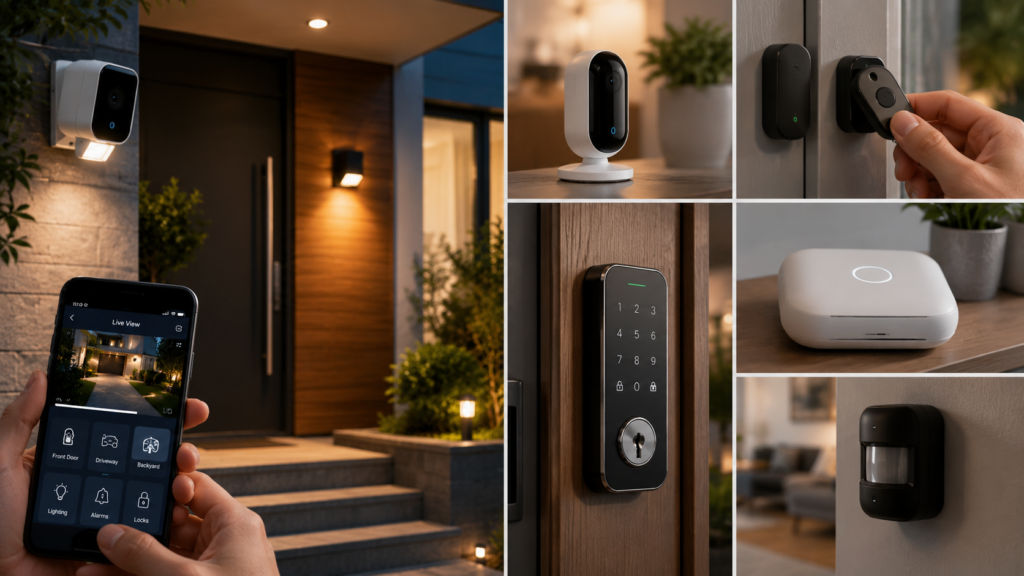
Motion sensors get all the attention, but they only work once someone is already inside. Glass-break sensors listen specifically for the acoustic signature of breaking glass — a very particular frequency and pattern that’s different from, say, a dropped plate or a dog barking. Vibration sensors go a step further, detecting the physical shock of someone trying to force a window or door before it even fully opens.
Why it’s useful: These sensors catch a break-in attempt at the earliest possible moment — the second someone tries to get in, not after they’re already standing in your living room deciding whether to steal the TV or the snacks first.


2. Smart Video Doorbells With Package Detection
Yes, everyone has a video doorbell now. But most people don’t realize the newer generation includes AI-based package detection, which specifically identifies when a delivery has been placed on your porch — and sends a distinct alert separate from your usual motion notifications.
Some models go further, tracking whether a package has been sitting untouched for a suspiciously long time, or notifying you the moment it’s picked up (welcome or otherwise).
Why it’s useful: Porch piracy is a genuinely common problem, and a doorbell that specifically flags package activity (instead of every passing squirrel) means you actually pay attention to the alerts that matter.


3. Smart Locks With Guest Access Codes
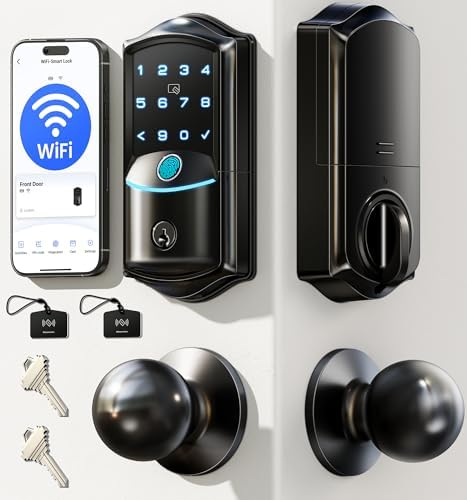
Traditional smart locks already replaced keys with an app. But the feature most people never touch is time-limited guest access — the ability to generate a unique code for a dog sitter, contractor, or house guest that automatically expires after a set window.
No more wondering who still has a spare key from three tenants ago, and no more re-keying your entire house because a friend’s cousin borrowed a copy in 2019.
Why it’s useful: You get full visibility into exactly who entered your home and when, without ever having to hand over a physical key you’ll never see again.


4. Environmental Sensors That Aren’t Just Smoke Alarms
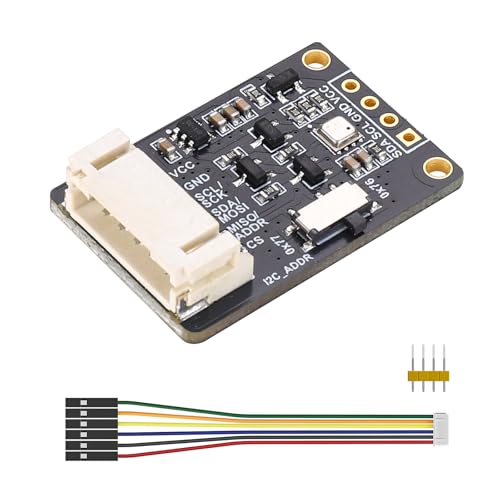
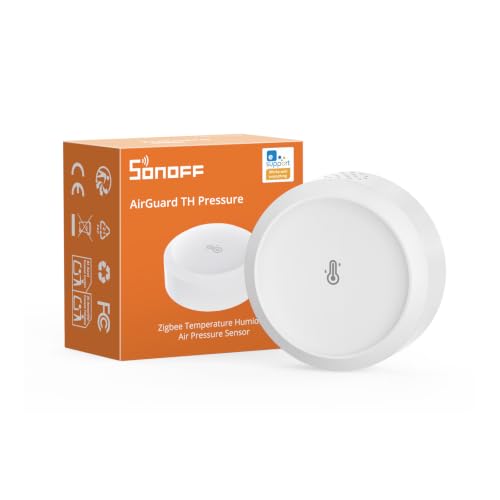
Security isn’t only about break-ins. Smart environmental sensors can now detect water leaks, unusual temperature spikes, high humidity (hello, mold prevention), and even carbon monoxide — all feeding into the same app as your cameras and locks.
Why it’s useful: A slow pipe leak under your sink can cause thousands of dollars in damage long before you’d ever notice it yourself. A sensor the size of a coin can catch it in hours instead of weeks.

5. Driveway and Perimeter Alert Sensors
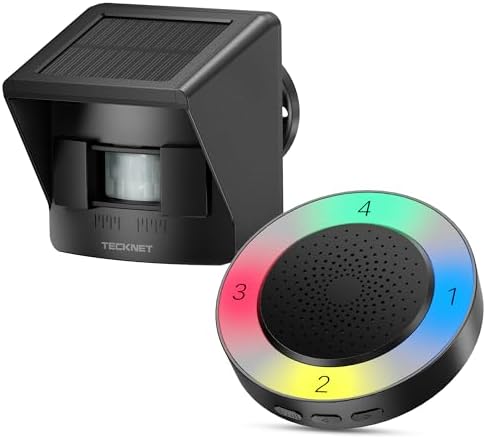
Most security systems focus on doors and windows, completely ignoring the fact that most suspicious activity starts well before someone reaches your front door. Driveway alert sensors and perimeter motion sensors detect movement at the edge of your property — a car pulling in, someone walking up the path — and send an alert before anyone even reaches your porch.
Why it’s useful: Early warning means you have time to check a camera, turn on lights, or simply know someone’s approaching before the doorbell even rings.


6. Smart Safes With Biometric and Remote Access
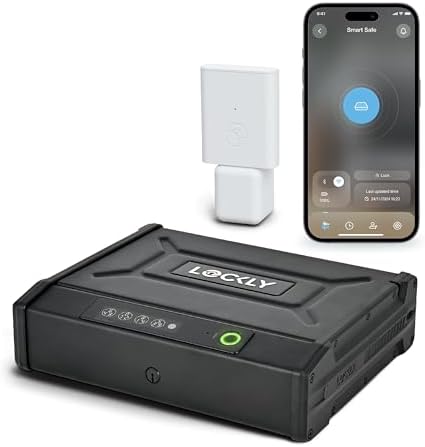
Traditional safes are static, dumb boxes that only open with a key or combination you have to remember. Smart safes now support fingerprint access, remote locking/unlocking through an app, and tamper alerts that notify you immediately if someone attempts to force it open or move it.
Why it’s useful: For anyone storing important documents, valuables, or firearms, remote tamper alerts add a meaningful layer of protection that a traditional lock simply can’t offer.


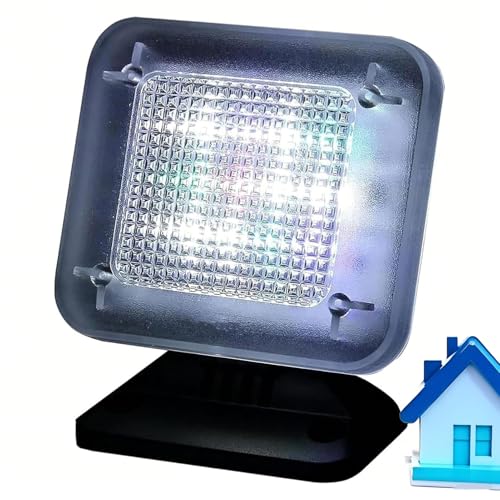
7. Fake TV / Presence Simulator Devices
This one sounds almost too simple to work, but it does: small devices that project flickering, multi-colored light patterns designed to mimic a TV playing in a dark room, simulating an occupied home even when nobody’s there. Some pair with smart plugs to also randomize lamps turning on and off in different rooms throughout the evening.
Why it’s useful: A huge percentage of burglaries are opportunistic, and a home that visibly looks occupied is one of the simplest deterrents that exists — no monitoring plan required.


8. Smart Smoke Detectors With Self-Testing
Traditional smoke detectors only tell you something’s wrong with a piercing chirp at 3 a.m. that always seems to happen right when you finally fall asleep. Smart smoke detectors run self-diagnostics automatically, alert your phone (not just the room) when smoke or CO is detected, and can tell you exactly when the battery needs replacing — well before it becomes an annoying midnight beep-fest.
Why it’s useful: You get warned even when you’re not home, which matters enormously if you travel often or have a second property.


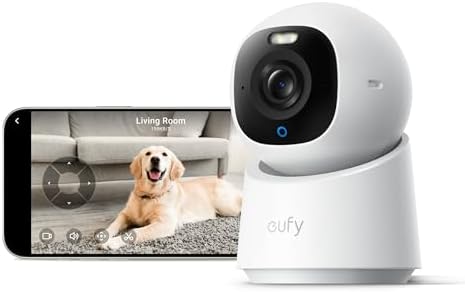
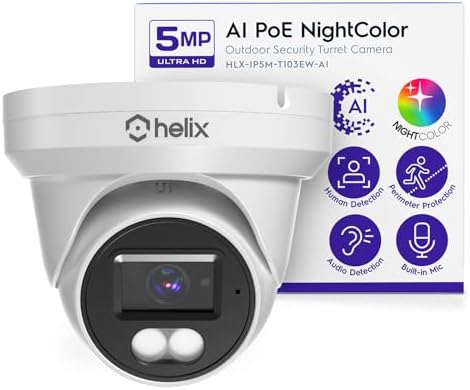
9. Video Cameras With Person vs. Object AI Detection
Basic cameras alert you every time anything moves — including branches, shadows, and your neighbor’s extremely photogenic cat. Newer smart cameras use AI to differentiate between people, vehicles, animals, and packages, letting you customize exactly which alerts you actually want to receive.
Why it’s useful: Fewer false alarms mean you’re far more likely to actually notice the alert that matters — because you haven’t already tuned out the app from months of squirrel notifications.

10. Smart Sirens and Strobe Alarms
Instead of relying solely on a quiet notification on your phone, smart sirens trigger a loud, localized alarm and flashing strobe light the moment a breach is detected — designed specifically to startle an intruder and alert neighbors, rather than just recording evidence after the fact.
Why it’s useful: Deterrence in the moment is often more valuable than perfect footage afterward. A blaring siren tends to send intruders running long before police ever need to get involved.


The Bottom Line
A truly smart home security setup isn’t just one camera watching your front door — it’s a layered system that catches problems early, reduces false alarms, and covers blind spots most people never think about until it’s too late. The best part is that many of these gadgets are surprisingly affordable and easy to add to whatever setup you already have.
You don’t need to build a secret-agent-level surveillance network overnight. Start with one gap in your current setup — maybe it’s your windows, maybe it’s that one leaky pipe you’ve been ignoring — and build from there. Your future self (and your homeowner’s insurance) will thank you.