Introduction to Smart Home Technology
Smart home technology is swiftly becoming an integral aspect of modern living, revolutionizing the way we interact with our household environments. At its core, it encompasses a variety of smart devices that connect to the internet, enabling users to control and monitor their homes remotely. The rising trend is largely attributed to the convenience and efficiency these devices offer, allowing for seamless automation of everyday tasks.
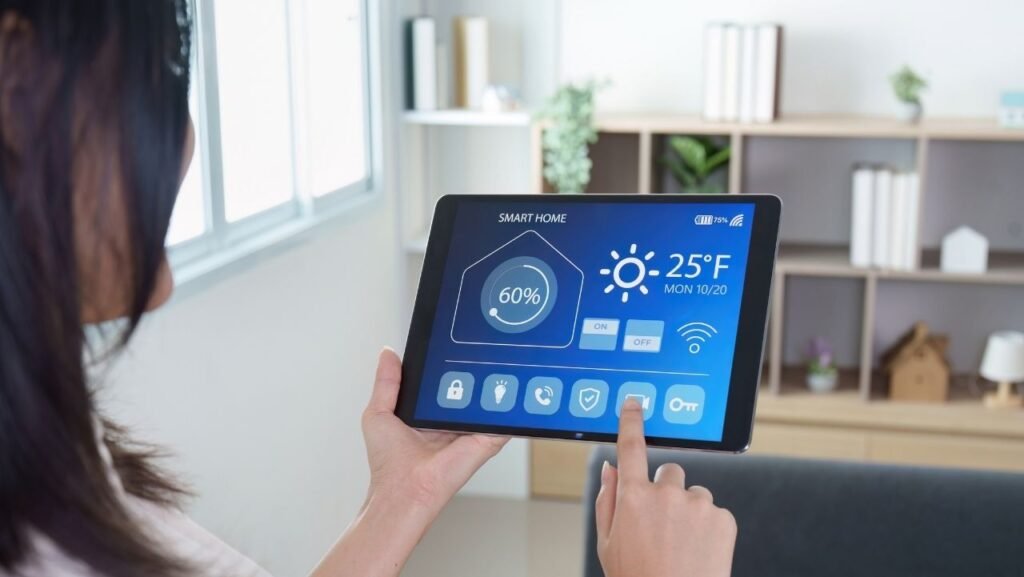
The growing popularity of smart home devices has been fueled by their ability to enhance both convenience and security. For instance, smart lighting systems can be programmed to illuminate rooms at specified times, while smart locks provide peace of mind by allowing homeowners to monitor and manage access to their properties from afar. Furthermore, many of these devices offer compatibility with voice assistants, streamlining user interaction and making technology accessible to all.
As more individuals express interest in integrating smart technology into their homes, it is crucial for beginners to start with beginner-friendly products. These devices typically feature straightforward installation and user-friendly interfaces, which can help ease newcomers into the smart home ecosystem. Beginner-friendly products are designed to eliminate complexity, enabling users to enjoy the advantages of smart technology without the intimidation often associated with advanced systems.
In this rapidly evolving landscape, embracing smart home devices is not just about enhancing lifestyle but also about adapting to the demands of a digitally-driven society. As we delve deeper into our exploration of the best options for novices, it is essential to consider how beginner-friendly technology can serve as the foundation for a more automated and secure living environment. The journey into smart home technology promises to be vast and enriching.
Essential Beginner-Friendly Smart Devices
As more households adopt automation and convenience, certain smart home devices stand out as particularly suitable for novices. These beginner-friendly products enable users to enhance their living spaces without overwhelming technical expertise.
One of the most popular categories is smart speakers. Devices like Amazon Echo and Google Nest Hub serve as centralized hubs for controlling various smart home devices. They provide voice assistance, enabling users to manage music, answer queries, or control other connected equipment seamlessly. Their user-friendliness and adaptability make them excellent starting points for those new to smart technology.
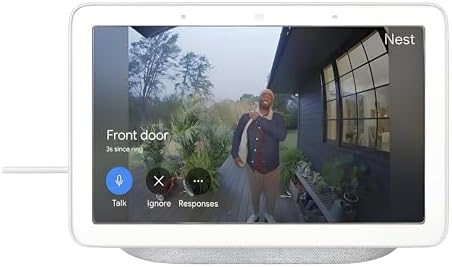
- VALUE BUNDLE INCLUDES: Google Nest Hub 1st Generation with English, Spanish and Global Language Compatibility so it work…
- IT WORKS EVERYWHERE Easy to use and will automatically start up in English when connecting to your device for the first …
- BLENDS RIGHT INTO YOUR HOME Looks great on a nightstand, shelf, countertop – or the wall. This Nest Hub is small and mig…

- Your favorite music and content – Play music, audiobooks, and podcasts from Amazon Music, Apple Music, Spotify and other…
- Alexa is happy to help – Ask Alexa for weather updates and to set hands-free timers, get answers to your questions and e…
- Keep your home comfortable – Control compatible smart home devices with your voice and routines triggered by built-in mo…
Smart plugs are another essential device for beginners. These gadgets plug into standard outlets and allow users to control traditional appliances remotely via smartphone applications or smart speakers. Common use cases include turning lamps on and off or scheduling coffee makers. The immediacy of smart plugs simplifies the transition into a connected lifestyle, making it an ideal option for those apprehensive about more complex setups.

- WHAT’S IN THE BOX – Includes two smart plugs; Turns any light, even one in which you can’t place a Hue bulb—into a smart…
- UNLOCK THE FULL POWER OF HUE – Add a Hue Bridge to enjoy automations, control from anywhere in the world, and a secure, …
- INCONSPICUOUS, COMPACT DESIGN – Small, white, and with a subtle design, the Philips Hue Smart Plug was designed to blend…
Similarly, smart bulbs offer a straightforward way to upgrade lighting systems. These LED lights can be adjusted for brightness, color, and schedules through mobile apps or voice commands. Common applications include setting mood lighting for events or ensuring security by having lights turn on and off automatically at designated times.

- SWITCH TO SMART LIGHTING: Simply screw in your new smart bulb, download the award-winning Hue app, then start controllin…
- CREATE AMBIANCE WITH COLOR: Find the right light with the LED lights for any mood with millions of colors and a packed l…
- SMOOTH DIMMING: Easily dim your smart light bulbs from full brightness all the way down to 2% using the Hue app to achie…
Lastly, beginner-friendly smart cameras provide peace of mind by enabling users to monitor their homes remotely. These devices typically feature user-friendly apps that allow for real-time viewing and notifications. Whether used as a pet camera or to increase home security, they are important components in establishing an integrated smart home.

- Pan/Tilt – The 360° horizontal range and 114° vertical range allow you to keep an eye on a wider field of view.
- High-Definition Video – The C200 captures every detail in crystal-clear 1080p. See what’s happening 24/7 and make sure y…
- Advanced Night Vision – Sleep with peace of mind knowing that Tapo is keeping watch over your home and your little ones …
These essential smart home devices create a foundation that is both manageable and highly functional for beginners. By integrating such beginner-friendly products, users can gradually expand and enhance their smart home experiences.
Setup Simplicity and Ecosystem Considerations
One of the most crucial aspects when selecting smart home devices, especially for beginners, is the setup simplicity and ecosystem compatibility. Today, a variety of beginner-friendly products are available, designed to streamline the setup process and enhance user experience. Generally, these smart home devices are accompanied by user-friendly apps that guide users through installation and configuration steps, making it straightforward even for those who may not be tech-savvy. Most devices can be seamlessly integrated, allowing users to manage multiple devices from a centralized application.
In examining the popular ecosystems, three dominant players emerge: Amazon Alexa, Google Assistant, and Apple HomeKit. Each ecosystem has its own characteristics and unique strengths. Amazon Alexa stands out for its extensive compatibility with a wide range of smart home devices, including budgets options, which fascinate beginners looking to establish a smart home without breaking the bank. Additionally, Alexa offers robust voice control capabilities and routines that newcomers find intuitive.

- MEET ECHO SPOT – A sleek smart alarm clock with Alexa and big vibrant sound. Ready to help you wake up, wind down, and s…
- CUSTOMIZABLE SMART CLOCK – See time, weather, and song titles at a glance, control smart home devices, and more. Persona…
- BIG VIBRANT SOUND – Enjoy rich sound with clear vocals and deep bass. Just ask Alexa to play music, podcasts, and audiob…
Google Assistant provides a similarly expansive compatibility landscape. Its distinct advantage lies in the integration with Google services, enhancing the overall experience for users already invested in the Google ecosystem. The voice recognition and context understanding capabilities of Google Assistant are often considered superior, fostering a natural interaction between users and their devices.
On the other hand, Apple HomeKit appeals to those who prioritize security and user privacy. Beginner-friendly products that integrate with Apple’s ecosystem offer a seamless experience, particularly for users with existing Apple devices. Although the range of compatible devices is more limited compared to its competitors, the technology behind HomeKit emphasizes robustness and ease of use, making it a solid choice for beginners who already use Apple products.
When assessing which ecosystem will best suit their needs, beginners should consider the devices they plan to use, their existing products, and the level of control and convenience desired. Each ecosystem offers unique benefits, and understanding these distinctions is essential for making an informed decision.
Pricing and Value: What’s Worth Starting With
The market for smart home devices has expanded significantly, offering a myriad of products to cater to both seasoned tech enthusiasts and those just starting their journey into home automation. When considering beginner-friendly products, pricing and value become pivotal factors. The range of prices varies greatly, depending on features, brand reliability, and integration capability.
For instance, smart bulbs like the Philips Hue offer basic functionality starting around $15 per bulb. This makes them an affordable entry point for individuals looking to dip their toes into the realm of smart home devices. With features such as color-changing capabilities and remote access, these bulbs serve both practical and aesthetic purposes.
On the other end of the spectrum, smarter devices like the Nest Learning Thermostat can be found at approximately $250. Although this investment is considerably higher, the value lies in its advanced capabilities, such as energy-saving features and compatibility with various smart systems. For beginners, it is crucial to evaluate not just the initial price but also the long-term savings and efficiencies offered by such devices.
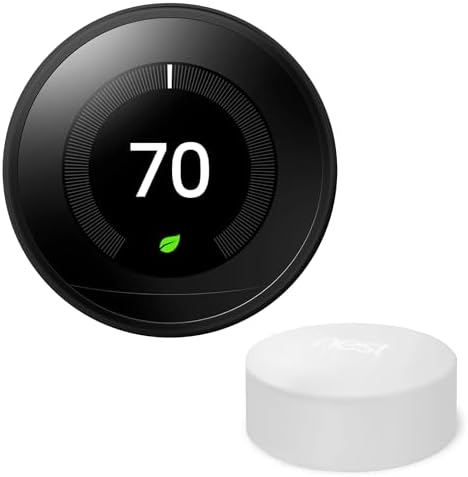
- No more programming: With Auto-Schedule, the Google Nest Learning Thermostat learns from you and programs itself..Produc…
- Home/Away Assist: don’t heat or cool an empty home. Home/Away Assist adjusts the temperature after you leave.
- Remote control: Control your thermostat from anywhere using the Nest app.
Moreover, starter kits comprising multiple beginner-friendly products often provide better value than purchasing items separately. For example, a smart home starter kit typically includes a smart hub, a smart light bulb, and a smart plug, ranging from $100 to $200. These kits present a cost-effective way to integrate multiple smart devices into one cohesive network, thus laying a strong foundation for future expansions.

- Getting started with smart home has never been easier – An all-in-one kit with a quick guided setup makes starting your …
- A setup so easy, it feels like magic – Just unbox, plug it in, and tap to get started.
- One hub with endless possibilities – the Echo Hub works with thousands of connected cameras, lights, locks, plugs, therm…
Ultimately, when assessing the best options for beginners, one should consider overall usability, compatibility, and ongoing support from the manufacturers. By doing so, consumers can make informed decisions that align with both their budget and their smart home aspirations.